Vinyl Siding vs. Fiber Cement: What Actually Holds Up in Georgia and Alabama Weather
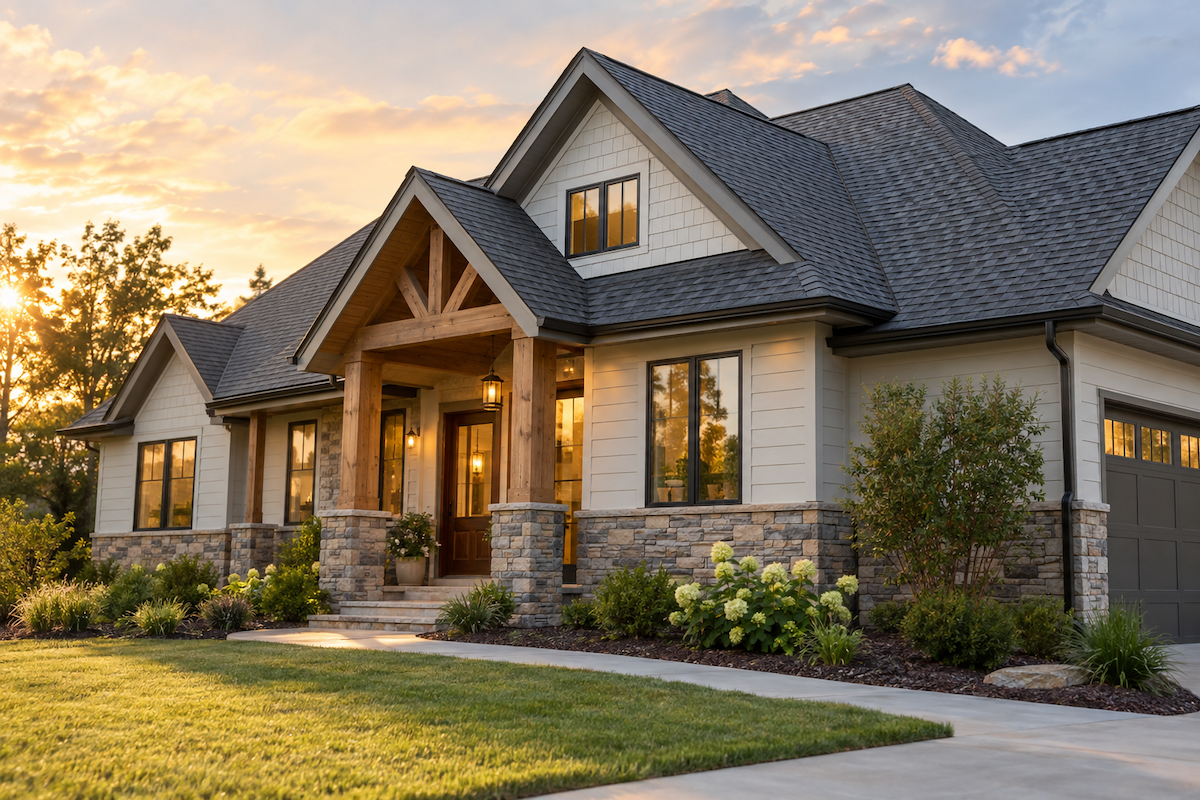
If you've ever watched a Georgia thunderstorm roll sideways across a yard, or felt an Alabama August afternoon that refuses to cool off after dark, you already understand why siding has to work harder here than in most parts of the country. When it's time to replace or upgrade the siding on a home, most homeowners land on the same fork in the road: vinyl siding or fiber cement siding, the category that includes James Hardie products. Both materials show up on plenty of homes across Georgia and Alabama, but they hold up very differently once heat, humidity, pests, and severe storms get involved. This guide compares vinyl and fiber cement siding side by side, so homeowners from Carrollton to Auburn can figure out which one actually fits their home and their climate.
Quick Summary
- Vinyl siding costs less upfront and installs faster, but it can soften, warp, or crack under intense sun and severe hail.
- Fiber cement siding, including James Hardie products, is heavier and more resistant to moisture, impact, and fire, but it costs more and requires specialized installation.
- Georgia and Alabama's combination of high humidity, heavy rain, and severe summer storms makes moisture resistance and impact resistance especially important factors.
- Fiber cement is non-combustible and resists rot, while vinyl is not a food source for pests but can become brittle with age in direct sun.
- Vinyl siding mainly needs periodic washing, while fiber cement may need repainting or recaulking at certain points over its life.
- Proper installation, including flashing, fasteners, and moisture barriers, affects long-term performance as much as the siding material itself.
- A free inspection is the most reliable way to find out which siding option fits a specific home, budget, and exposure to sun and storms.
How Vinyl and Fiber Cement Siding Perform in Georgia and Alabama's Climate
Siding in Georgia and Alabama deals with a specific combination of stressors: long stretches of intense summer heat, high humidity that lingers for months, heavy tree canopy in many neighborhoods, and the risk of severe thunderstorms and hail. Any siding material installed here needs to resist moisture intrusion, hold its shape and color under UV exposure, and survive the occasional wind-driven debris impact. Vinyl and fiber cement approach those challenges in different ways, and the right choice usually comes down to which trade-offs matter most for a given home.
Vinyl Siding: Strengths and Weaknesses for Southern Homes
Vinyl siding remains popular because it's lightweight, relatively quick to install, and available in a wide range of colors and profiles. It doesn't rot, and because it isn't a food source for insects, it avoids some of the pest issues that affect wood siding.
In this climate, vinyl's main weaknesses show up over time. Prolonged direct sun exposure can cause vinyl to fade, especially darker colors, and repeated heat cycling can lead to warping or buckling if the siding wasn't installed with proper expansion clearance. Severe hail, which is not uncommon in parts of Georgia and Alabama, can crack or dent vinyl panels. Because vinyl is a thinner material than fiber cement, it also tends to flex more in high winds.
Fiber Cement Siding: Strengths and Weaknesses for Southern Homes
Fiber cement siding is made from a blend of cement, sand, and cellulose fibers, which makes it significantly heavier and more rigid than vinyl. That density is what gives fiber cement its reputation for standing up to humidity, pests, fire exposure, and impact better than most other siding materials. It also holds paint far longer than vinyl, since it's designed to be factory-primed or fully painted rather than color-molded all the way through.
The trade-offs are cost, weight, and installation complexity. Fiber cement requires specialized tools and cutting techniques (including proper dust control, since cutting it improperly can release silica dust), and it generally needs a two-person crew to handle and install safely. It's also less forgiving of moisture that gets trapped behind it if flashing and water management details aren't done correctly, so installation quality matters even more with this material.
Vinyl vs. Fiber Cement: A Side-by-Side Look
Here's how the two materials compare across the factors that matter most to Georgia and Alabama homeowners.
Vinyl Siding
- Lighter weight, generally faster to install
- Lower material and labor investment compared to fiber cement
- Will not rot and is not a food source for pests
- Can fade in direct, prolonged sun exposure, especially darker colors
- Can warp or buckle under extreme heat cycling if installed without proper clearance
- More prone to cracking or denting under severe hail impact
- Primarily maintained with routine washing
Fiber Cement Siding (Including James Hardie Products)
- Heavier and more rigid, which generally means better impact resistance
- Non-combustible and highly resistant to moisture damage and rot
- Holds paint and color longer than vinyl in intense southern sun
- Naturally resistant to pests, including termites
- Higher material and labor investment compared to vinyl
- Requires specialized cutting tools and installation expertise
- May need repainting or recaulking at certain points over its lifespan
Which Siding Material Is Right for Your Home?
There's no single right answer for every house. A few questions can help narrow it down:
How Much Direct Sun Does Your Home Get?
Homes with heavy tree canopy and afternoon shade tend to be easier on any siding material, since less direct UV exposure slows fading regardless of what's installed. Homes with long, unshaded southern or western exposure will put more stress on vinyl's color and structural stability over time, which is where fiber cement's paint retention becomes more valuable.
How Exposed Is Your Property to Severe Storms and Hail?
Properties in areas that see frequent severe thunderstorms may benefit from fiber cement's added impact resistance. No siding material is entirely hail-proof, but fiber cement generally holds up better against wind-driven debris and hail than standard vinyl.
What's the Home's Style and Resale Context?
Fiber cement's ability to hold crisp paint lines and architectural detail makes it a common choice for homes where curb appeal and long-term paint performance are a priority. Vinyl remains a practical, cost-conscious option for homeowners who want new siding without the investment fiber cement requires.
Maintenance Tips to Extend the Life of Either Siding Material
- Rinse siding at least once or twice a year to remove pollen, dirt, and mildew buildup, which is common in Georgia and Alabama's humidity.
- Trim back trees and shrubs so branches don't rub against siding panels during wind.
- Check caulking and seams around windows, doors, and corner trim annually, since gaps allow moisture behind the siding.
- Inspect siding after major storms for cracks, dents, or loose panels, particularly after hail events.
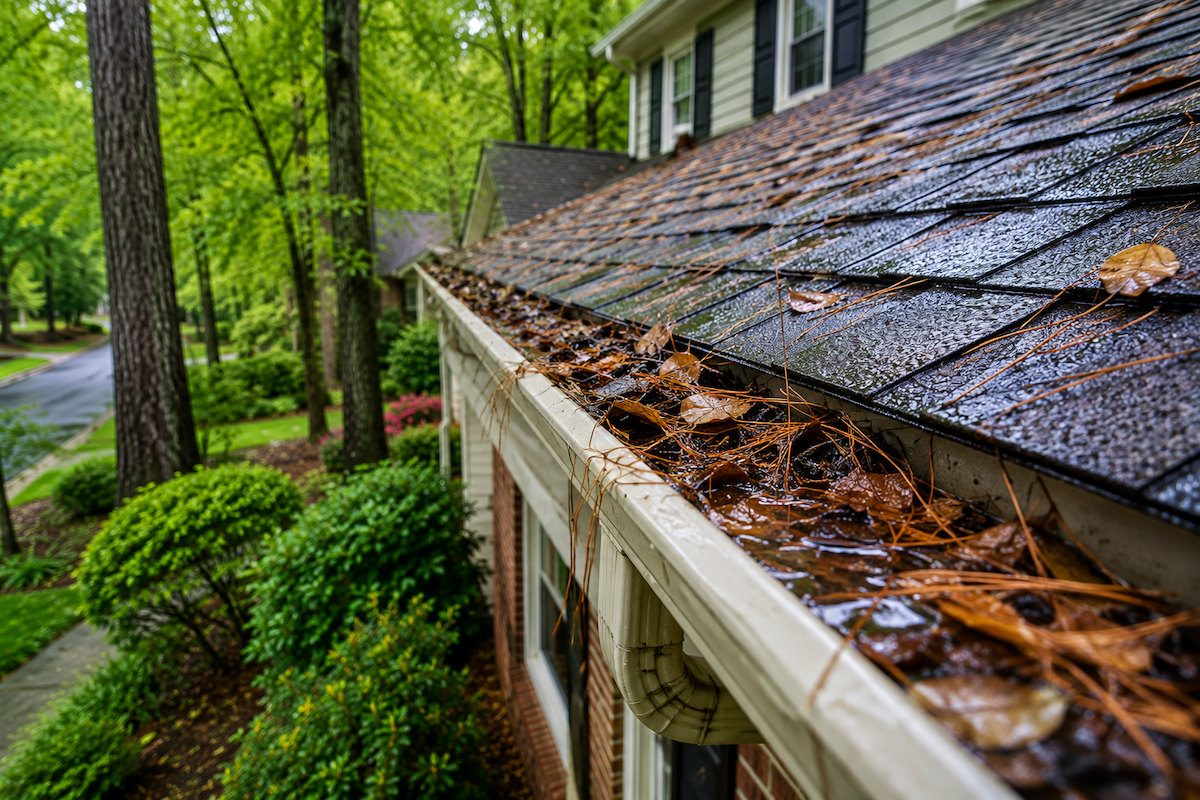
- Keep gutters clear and properly angled so water doesn't overflow and run down the siding, which can accelerate staining and, over time, moisture damage.
- Repaint or recaulk fiber cement siding as needed to keep its protective layer intact.
Quick Answers: Vinyl vs. Fiber Cement Siding
Which Siding Material Is Better Overall?
Fiber cement siding generally outperforms vinyl on impact resistance, moisture resistance, and paint retention, which matters in Georgia and Alabama's hot, humid, storm-prone climate. Vinyl siding remains a solid, budget-conscious option that performs well when installed correctly, especially on homes with more shade and less severe storm exposure. The better choice depends on a home's sun exposure, storm risk, and how much a homeowner wants to invest upfront versus over time.
How to Decide Between Vinyl and Fiber Cement Siding in 5 Steps
- Assess how much direct sun and storm exposure the home gets throughout the year.
- Consider how long the home's current siding lasted and why it's being replaced.
- Decide how much ongoing maintenance, such as periodic repainting, is realistic for the household.
- Weigh upfront investment against long-term durability and paint performance.
- Request a free inspection so a siding professional can evaluate the specific home before a final decision.
Vinyl vs. Fiber Cement at a Glance
- Best for lower upfront investment: vinyl siding
- Best for impact and storm resistance: fiber cement siding
- Best for long-term paint and color retention: fiber cement siding
- Best for minimal ongoing maintenance: vinyl siding
- Best for homes with heavy sun exposure: fiber cement siding
- Best for pest resistance: both perform well, since neither is a wood-based product
What About Storm Damage and Insurance?
Severe hail or wind can damage either siding material, and homeowners sometimes wonder whether storm damage to siding is covered by their homeowners insurance policy. Coverage depends entirely on the specific policy, the cause of damage, and the insurer's own claims process. Right Hand Roofing & Gutters can help homeowners thoroughly document storm damage to siding, gutters, or roofing to support that claims process, but we are not insurance adjusters or attorneys, so homeowners should always review their own policy and talk with their insurer directly about coverage.
Bottom Line: Choosing Between Vinyl and Fiber Cement Siding
Both vinyl and fiber cement siding can perform well on a Georgia or Alabama home when they're matched to the right conditions and installed correctly. Vinyl offers a lower upfront investment and simple maintenance, while fiber cement offers stronger resistance to heat, humidity, pests, and impact, along with longer-lasting paint. The right next step is a professional look at the home's current siding, sun exposure, and storm history before making a final call.
Right Hand Roofing & Gutters is a family-owned company serving Georgia and Alabama since 2005, and every siding installation we complete is backed by our lifetime workmanship guarantee. If it's time to evaluate your home's siding, request our free roof report (a $100 value, offered at no cost) by calling 678-840-2255 or visiting right-handroofing.com/free-roof-report.
Frequently Asked Questions
Is fiber cement siding worth the extra investment over vinyl in Georgia and Alabama?
For homes with heavy sun exposure or frequent severe storms, many homeowners find the added durability and paint retention of fiber cement worth the higher upfront investment. For homes with more shade and less storm exposure, vinyl can be a practical option that still performs well for years. The right answer depends on the specific home and the homeowner's priorities around maintenance and long-term appearance.
How long does vinyl siding typically last in hot, humid climates?
Vinyl siding's lifespan varies widely based on product quality, color, installation quality, and sun exposure. In hot, humid climates like Georgia and Alabama, vinyl exposed to intense, direct sun tends to show fading and heat-related warping sooner than vinyl on shaded elevations. A professional inspection is the most accurate way to assess the remaining life of existing siding.
Does James Hardie or other fiber cement siding require special maintenance?
Fiber cement siding is low-maintenance compared to wood, but it isn't maintenance-free. It generally needs periodic washing, occasional recaulking around seams and trim, and repainting over time to maintain its protective coating. Manufacturers of fiber cement products, including James Hardie, typically back their material with a long-term, non-prorated warranty, often around 30 years, though homeowners should confirm current warranty terms directly with the manufacturer.
Can new siding be installed over existing siding?
In some cases, new siding can be installed over existing siding, but it depends on the current siding's condition, the substrate underneath, and local building codes. Installing over damaged or moisture-compromised siding can trap problems behind the new material, so a professional assessment of what's underneath is an important first step.
Will new siding help protect against future storm and hail damage?
More impact-resistant siding, such as fiber cement, can hold up better against wind-driven debris and hail than older or lower-grade vinyl, but no siding material is completely storm-proof. Combining durable siding with routine maintenance and prompt post-storm inspections is the most reliable way to limit damage over time. Contact us today, 678-840-2255.







.webp)
.webp)
.webp)
.webp)
.webp)
.webp)


.webp)
.webp)
.webp)

.jpg)


.jpg)