Are Gutter Guards Worth It in Atlanta?

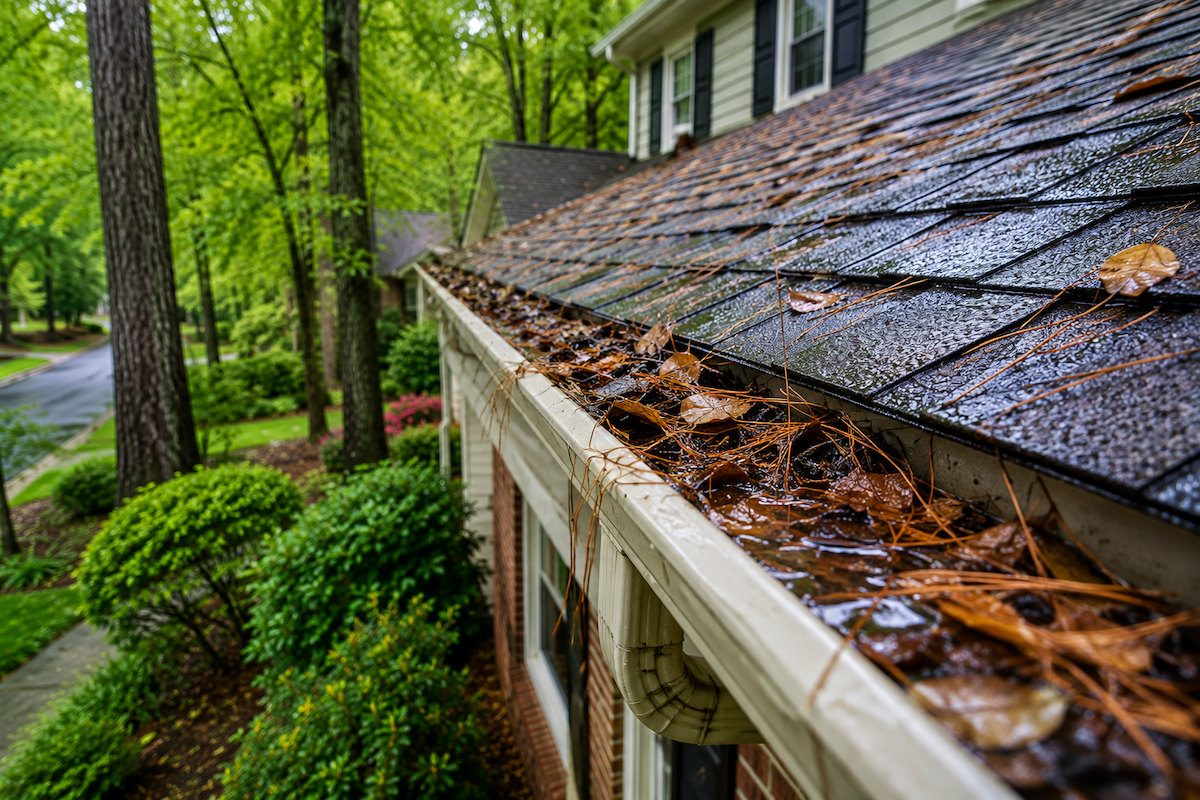
If you spend weekends on a ladder pulling pine needles and wet leaves out of your gutters, you've probably wondered whether gutter guards are worth the money. In Atlanta, the short answer is usually yes, with one big asterisk: the type of guard makes or breaks the decision. Our dense tree canopy drops debris twelve months a year, and our summer storms dump rain faster than a clogged gutter can move it. A quality micro-mesh guard handles both.
The cheap screen, foam, and brush options sold at most hardware stores mostly don't, which is exactly why so many Atlanta homeowners feel like guards "didn't work" and go back to the ladder. Knowing which is which is the whole game.
Quick Summary
- For most Atlanta homeowners, quality gutter guards are worth it, mainly because they cut cleaning frequency and protect against costly water damage.
- Micro-mesh guards are the clear winner here. They're the only type that reliably blocks Atlanta's fine pine needles, pollen, and shingle grit.
- Skip foam and brush inserts. They trap debris, degrade in Georgia's heat, and often become harder to deal with than open gutters.
- Quality guards, properly installed, can cut cleaning frequency by roughly 50 to 70%, but no guard eliminates maintenance entirely.
- In the Atlanta market, professionally installed micro-mesh guards typically run about $15 to $30 per linear foot, while professional cleanings cost roughly $90 to $230 per visit.
- Many Atlanta homes need two to four cleanings a year without guards, so the math often favors guards if you'll stay in your home several years.
- Professional installation matters. Most disappointing results trace back to cheap products or poorly secured DIY jobs.
Why Atlanta Is a Hard Place for Gutters
Not all gutter environments are equal, and Atlanta is one of the more demanding ones in the country. Three local realities drive the decision.
First, the tree canopy. As the "City in a Forest," Atlanta has one of the densest urban canopies of any major U.S. city, and that means a constant load of leaves, needles, seeds, and pollen falling into gutters all year.
Second, the trees here are tough on gutters specifically. Loblolly and other Southern pines shed fine needles year-round, and those needles are the single hardest debris for any guard to stop. Oaks add heavy fall leaf drop plus spring pollen, maples drop winged seeds, and sweetgums drop spiky balls.
Third, the rain. Metro Atlanta averages around 50 inches of rain a year, well above the national average, and summer thunderstorms can drop two to three inches per hour. Any guard you choose has to handle that volume without letting water sheet over the edge.
Do Gutter Guards Actually Work in Atlanta?
Gutter guards do work in Atlanta, but only the right type, installed correctly, with realistic expectations. A quality micro-mesh system reliably blocks pine needles, pollen, and small debris while letting water through, and it can cut your cleaning frequency dramatically. What no guard will do is make your gutters completely maintenance-free, since fine pollen and roof grit can still settle on top of the mesh and need an occasional rinse.
The reason type matters so much comes down to pine needles. Atlanta's pine needles are long but extremely thin, often only one to two millimeters wide, so they slip right through the larger openings of standard screens, foam, and brush guards. That's why those budget options frequently fail here, while fine micro-mesh keeps them out.
Gutter Guard Types Ranked for Atlanta
Here's how the common guard types hold up against Atlanta's debris and rainfall:
- Micro-mesh guards (best for Atlanta). A fine stainless steel mesh over a rigid frame filters out pine needles, pollen, seed pods, and even shingle grit while water passes through. Stainless steel resists Atlanta's heat, humidity, and the acidity of decomposing pine debris. This is less of an upgrade and more of a requirement for homes near pines.
- Standard screen guards (mixed). Larger openings block leaves and twigs but let pine needles and fine debris through. A reasonable option only if you have mostly broadleaf trees and few pines.
- Reverse-curve guards (limited). These use surface tension to direct water in while debris falls off. They handle leaves but struggle with pine needles and can let water overshoot during heavy downpours.
- Foam and brush inserts (avoid). Cheap and easy to install, but they trap needles and moisture, foam degrades in Georgia's heat, and both can end up harder to clean than an open gutter.
What Do Gutter Guards Cost in Atlanta?
Pricing depends on the guard type, your home's size, roofline complexity, and whether your existing gutters need repair first. In the Atlanta market for 2026, here are realistic installed ranges per linear foot:
- Foam and brush guards: roughly $3 to $6 per foot, but not recommended here
- Standard screen and perforated guards: roughly $6 to $12 per foot
- Micro-mesh guards: roughly $15 to $30 per foot, professionally installed
For a typical Atlanta home with 150 to 200 linear feet of gutters, a quality micro-mesh installation often lands in the low-to-mid thousands. Historic homes with intricate rooflines and multi-story homes that require special access can run higher.
For comparison, a single professional gutter cleaning in Atlanta typically costs about $90 to $230, depending on home size and height.
Are Gutter Guards Worth the Money in Atlanta? The ROI
The value case comes down to how often you'd otherwise be cleaning and how long you'll stay in the home. Because Atlanta's year-round debris pushes many homes to two, three, or even four cleanings a year, the recurring cost of cleaning adds up faster here than in most of the country.
Here's a simple way to think it through:
- Estimate your current cleaning cost. Multiply your number of cleanings per year by the per-visit cost (roughly $90 to $230 in Atlanta).
- Project that over time. A home cleaned two to three times a year can easily run several hundred dollars annually, or several thousand over a decade.
- Compare to guard cost. A quality micro-mesh installation is a one-time cost, after which cleaning drops by roughly half or more.
- Add the damage you're avoiding. Clogged gutters cause overflow, fascia rot, and foundation problems in Atlanta's clay soil, repairs that can run into the thousands.
- Factor in your time and safety. Fewer trips up a ladder means less risk, since ladder falls are a leading cause of home injury.
For homeowners planning to stay several years, especially with mature trees, guards often pay for themselves through reduced cleaning and avoided water damage. If you expect to move within a year or two, the upfront cost may be harder to recover, though guards can still add appeal at resale.
When Gutter Guards Make the Most Sense
Gutter guards are most clearly worth it in Atlanta when:
- Your home is surrounded by pines, oaks, or other heavy-shedding trees.
- You're cleaning your gutters three or more times a year, or paying someone who is.
- Your home is multi-story, making DIY cleaning unsafe.
- You've already had overflow, fascia rot, or foundation moisture from clogs.
- You plan to stay in the home long enough to recover the investment.
They make less financial sense if you have few trees, already clean easily yourself, and expect to move soon.
The Bottom Line and Your Next Steps
For most Atlanta homeowners, gutter guards are worth it, as long as you choose a quality micro-mesh system and have it installed correctly. The combination of a dense tree canopy, year-round pine needles, sticky pollen, and heavy rain makes cheap guards a waste of money and good guards a genuine time- and damage-saver. The honest caveat is that even the best guard still needs an occasional rinse, so think of it as drastically reducing maintenance, not eliminating it.
The best way to know whether guards make sense for your home is an on-site look at your gutters, your roofline, and the trees around you.
If you want a straight answer for your own home, Right Hand Roofing & Gutters can walk your roofline, count the pines, and tell you whether micro-mesh guards actually pencil out for you or whether a smart cleaning schedule is the better call. We've installed and serviced gutters across Metro Atlanta since 2005, so we'd rather tell you the honest answer than sell you something you don't need. Reach us at right-handroofing.com/free-roof-report or 678-840-2255.
Frequently Asked Questions
Are gutter guards worth it in Atlanta?
For most Atlanta homeowners, yes. The city's dense tree canopy and heavy rainfall mean gutters clog quickly, so a quality micro-mesh guard reduces cleaning frequency by roughly 50 to 70% and helps prevent costly water damage. They're most worthwhile if you have mature trees, clean often, or plan to stay in your home for several years.
What kind of gutter guard is best for Atlanta's pine needles?
Stainless steel micro-mesh guards are the best choice for Atlanta. Their fine openings block thin pine needles, pollen, and shingle grit that slip through standard screens, reverse-curve, foam, and brush guards. Because Southern pines shed needles year-round here, micro-mesh is essentially a requirement for homes near pines.
How much do gutter guards cost in Atlanta?
Professionally installed micro-mesh guards typically run about $15 to $30 per linear foot in the Atlanta market, while basic screen guards cost less and budget foam or brush inserts are cheapest but not recommended. For a typical 150-to-200-foot home, a quality micro-mesh installation often falls in the low-to-mid thousands, with complex or multi-story homes costing more.
Do gutter guards eliminate the need for cleaning?
No. Quality guards dramatically reduce how often you need to clean, but they don't eliminate maintenance entirely. Fine pollen, dust, and roof grit can accumulate on top of micro-mesh over time, so an occasional rinse and a periodic inspection are still good practice in Atlanta's climate.
Are cheap foam or brush gutter guards a good idea in Atlanta?
Generally no. Foam and brush inserts are inexpensive and easy to install, but they trap pine needles and moisture, foam degrades in Georgia's heat and humidity, and both can become harder to clean than open gutters. For Atlanta's pine needles and pollen, a quality micro-mesh system is a far better long-term value.














.webp)
.webp)
.webp)
.webp)
.webp)
.webp)


.webp)
.webp)
.webp)

.jpg)


.jpg)