Roof Repair or Replacement? How to Decide on Your Georgia Home
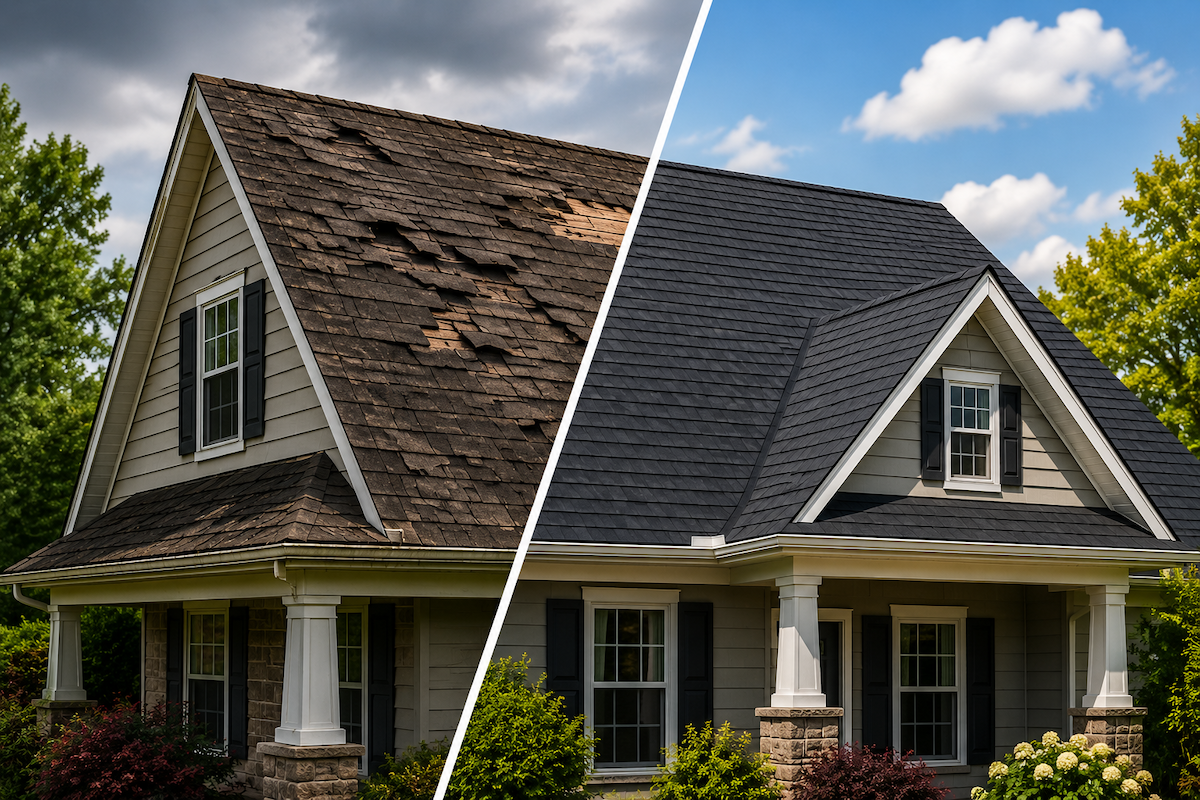
Standing under a stained ceiling or staring at a patch of missing shingles after a storm, most homeowners ask the same thing: do I repair this, or do I need a whole new roof? Deciding between roof repair and replacement on your Georgia home comes down to a few clear factors, mainly your roof's age, how widespread the damage is, and the math between what a repair costs and what a replacement costs. Below, you'll find exactly how experienced roofers make that call, and what Georgia's heat, humidity, and storms change about the decision.
Quick Summary
- Repair when damage is isolated to one area, the roof still has years of life left, and the rest of the system is sound.
- Replace when the roof is near or past its expected lifespan, damage spans multiple slopes, or leaks keep coming back in different spots.
- In Georgia, asphalt shingle roofs typically last 15 to 25 years, shorter than national estimates because of intense heat, humidity, and storms.
- A common contractor guideline: if repairs would cost roughly 30% or more of a full replacement, replacement is usually the smarter long-term spend.
- The 25% rule says that once more than a quarter of the roof is damaged, patching often costs more over time than replacing.
- Granule loss, widespread curling shingles, sagging, and repeat leaks point toward replacement; a single flashing leak or a few wind-torn shingles points toward repair.
- Your timeline in the home matters: if you're selling soon, a quality repair often makes more financial sense than a full replacement.
- A professional inspection is the most reliable way to know for certain. Right Hand Roofing offers a free roof report (right-handroofing.com/free-roof-report or 678-840-2255).
Repair or Replace? The Short Answer
Repair your roof when the damage is localized and the rest of the roof is in good shape: a single leak around a vent or chimney, a few shingles torn loose by wind, or one section affected by a fallen branch. Replace your roof when it's near the end of its life, when damage appears across multiple slopes, or when you keep paying for repairs that don't hold. A single isolated leak is almost always a repair. A roof showing wear everywhere at once is almost always a replacement.
That's the framework. The sections below explain how to apply it to your specific situation.
How Long Do Roofs Last in Georgia?
Roof lifespan is the first thing any honest contractor looks at, because it tells you how much useful life is left to protect. Manufacturers advertise 25- or 30-year shingles, but those ratings assume average national conditions. Georgia isn't average.
Our humid subtropical climate is genuinely harder on roofs than milder regions. Summers regularly push past 90°F, drying out shingles and causing them to lose their protective granules. Year-round humidity feeds algae and moss growth, especially on shaded, north-facing slopes. And spring through fall brings thunderstorms, wind, hail, and the occasional tropical remnant. The result is that roofs here often age 5 to 10 years faster than the same materials would elsewhere.
Here's what to expect by material in Georgia's climate:
Roofing Material
Typical Lifespan in Georgia
3-tab asphalt shingles
15–20 years
Architectural (dimensional) shingles
20–25 years
Premium asphalt shingles
25–30 years
Metal roofing
40–70 years
Clay or concrete tile
50+ years
Slate
75+ years
Most Georgia homes have asphalt shingles, so the 15-to-25-year window is the one most homeowners are working with. If your roof is under 15 years old and the damage is contained, repair is usually the right call. If it's over 20 and showing problems in more than one place, it's time to seriously price a replacement.
When Roof Repair Makes Sense
Repairs are quicker, cheaper, and less disruptive than a full replacement, and they're often exactly what a roof needs. A targeted repair is usually the smart move when:
- The leak or damage is isolated to one spot, such as a single vent, pipe boot, skylight, or flashing detail.
- The roof is still relatively young with plenty of service life remaining.
- The surrounding shingles are in good condition and lying flat.
- You're buying time to budget for a planned replacement later.
Not every leak means a new roof. Flashing around chimneys, vents, and skylights can fail even when the shingles around it are perfectly sound. A cracked pipe boot or a few nails that have popped are textbook repairs. These are the fixes that, done right the first time, can buy years of dependable protection.
When Roof Replacement Is the Better Investment
Replacement resets the entire system, including shingles, underlayment, flashing, and ventilation, which often delivers more long-term value than patching the same roof over and over. Consider replacement when you see:
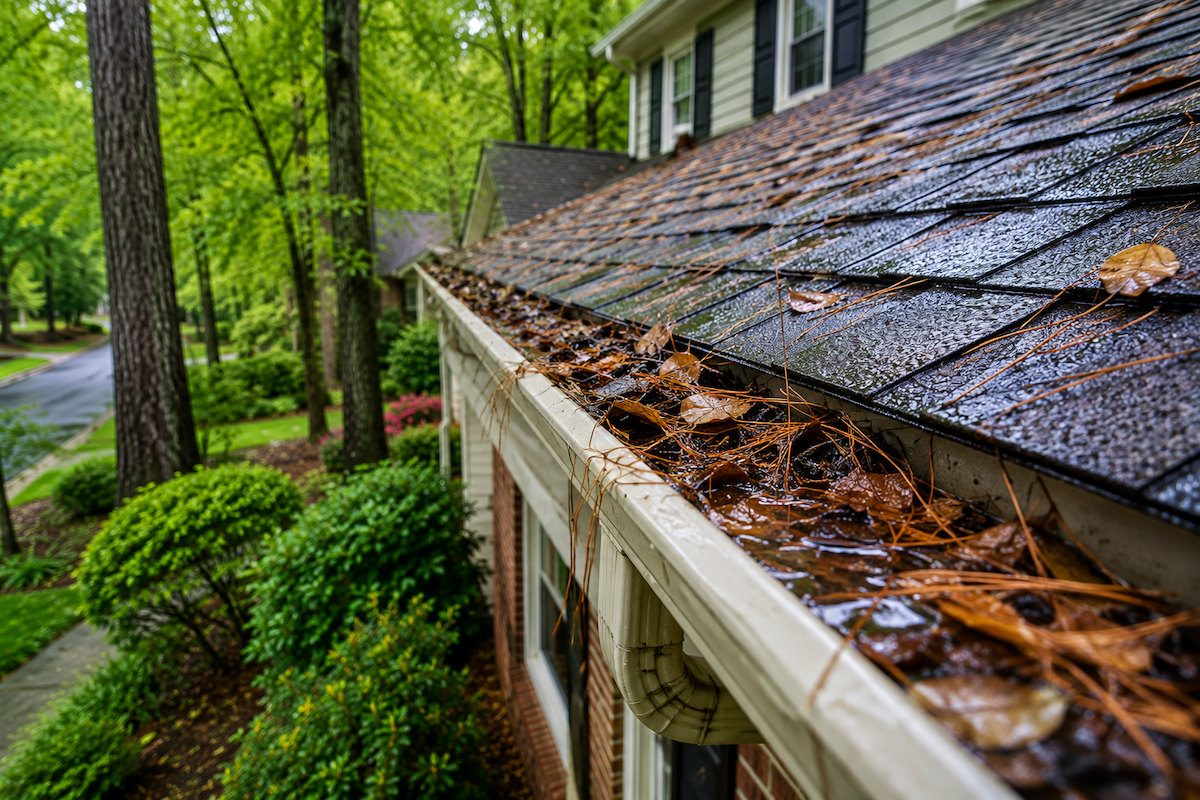
- Widespread granule loss. Bare patches on the shingles, or heavy granule accumulation in your gutters, mean the shingles have lost their UV protection. This isn't repairable, and once it starts, the roof is usually within a few years of failure.
- Curling, cupping, or buckling shingles across large areas. Brittle, lifted shingles can't shed water properly, and a patch won't change that.
- Repeat leaks in different locations. When a roof keeps failing in new spots, the problem is the system, not one detail.
- Sagging in the roof deck. This signals structural or moisture issues and needs prompt attention.
- Damage across multiple slopes after a major storm, rather than one contained area.
- Age past the expected lifespan. Even a roof that still looks serviceable is living on borrowed time once it's beyond its rated years in our climate.
A quick note on algae: those black streaks are extremely common on Georgia roofs because of our humidity, and they're mostly cosmetic. Streaking alone doesn't mean you need a new roof. Heavy, long-term growth can hold moisture against the shingles and shorten their life, so it's worth cleaning and monitoring, but it's not automatically a replacement trigger.
How to Decide: A Step-by-Step Framework
Here's the same approach a professional uses, in order:
- Check the roof's age. Compare it to the lifespan ranges above. Under 15 years leans toward repair; over 20 leans toward replacement.
- Assess how widespread the damage is. Is it one area, or does it appear across multiple slopes and sections?
- Look at the shingle condition. Flat and intact points to repair. Curling, cracking, and heavy granule loss points to replacement.
- Count your recent repairs. Occasional fixes are normal. Frequent, recurring repairs signal the roof is failing.
- Run the cost math. Get both a repair quote and a replacement quote, then compare (see the next section).
- Factor in your timeline. How many more years do you plan to stay in the home?
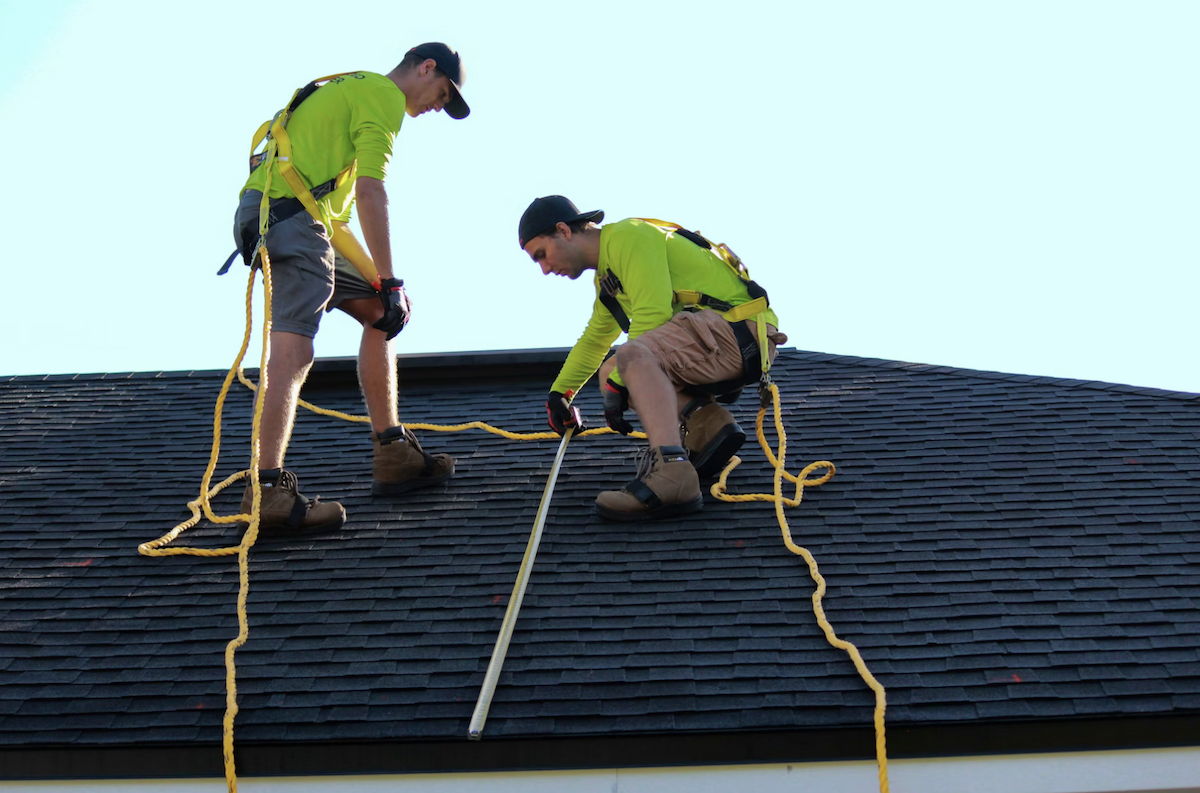
- Get a professional inspection. When it's a close call, an expert assessment removes the guesswork.
The Cost Math: Repair vs. Replacement
Repairs cost less upfront, which is obvious. What homeowners often miss is how quickly repeated repairs add up against the cost of just replacing the roof.
Two widely used contractor guidelines help here:
- The 30% guideline: If your repair costs reach roughly 30% or more of what a full replacement would cost, replacement is usually the better long-term decision.
- The 25% rule: If more than 25% of the roof surface is damaged, patching tends to create uneven results and ongoing water-intrusion risk, so full replacement is often warranted.
A useful way to think about it is cost per remaining year of service. A $1,500 repair on a roof with 12 good years left is an excellent value. The same repair on a roof with two years left is money spent on something that has to be replaced anyway.
Your plans matter too. If you intend to stay in the home for many years, a new roof delivers lasting value and peace of mind. If you're selling soon and the roof isn't actively leaking or failing inspection, a quality repair is often the smarter financial move, since a full replacement rarely returns its entire cost at resale.
A Word on Insurance and Storm Damage
Georgia sees plenty of wind and hail, and storm damage is one of the most common reasons homeowners face the repair-or-replace question. A few things worth knowing:
- Insurance generally covers sudden storm damage (wind, hail, falling trees), but not wear-and-tear or age-related failure.
- After a storm, document visible damage with photos from the ground if it's safe, and avoid climbing onto the roof yourself.
- Have the damage professionally assessed before deciding. Whether a claim makes sense can depend on your deductible and the scope of the loss.
Right Hand Roofing helps homeowners across Georgia and Alabama document damage and work with their insurance company through the claims process. We're not attorneys or your insurer, so always review your own policy, but we can make sure the damage is thoroughly documented.
The Bottom Line and Your Next Steps
The repair-or-replace decision really comes down to three questions: How old is the roof? How widespread is the damage? And does the cost math favor patching or starting fresh? In Georgia's demanding climate, a younger roof with isolated damage almost always justifies a repair, while an older roof with problems across multiple areas usually calls for replacement.
When it's a genuine judgment call, the best next step is an honest, professional inspection. A roofer who explains both options clearly and stands behind their work, rather than pushing the most expensive solution, is worth finding.
If you'd like a clear, no-pressure assessment of your roof's condition, Right Hand Roofing offers a free roof report (more than a $100 value) with photos and expert recommendations. As a family-owned company serving Metro Atlanta and surrounding communities since 2005, with manufacturer certifications and a lifetime workmanship guarantee, we'll tell you exactly what your roof needs before you decide anything. Request yours at right-handroofing.com/free-roof-report or call 678-840-2255.
Frequently Asked Questions
How do I know if I need a roof repair or a full replacement?
Look at three things: the roof's age, how widespread the damage is, and the cost comparison. If your roof is under 15 years old with damage limited to one area, repair is usually right. If it's over 20 years old, leaking in multiple places, or repairs would cost 30% or more of a replacement, replacement is typically the better investment. A professional inspection gives you the clearest answer.
How long should a roof last in Georgia?
Most asphalt shingle roofs in Georgia last 15 to 25 years, shorter than the national average because of intense heat, humidity, UV exposure, and frequent storms. Architectural shingles last 20 to 25 years, while metal roofing can last 40 to 70 years. Annual inspections become especially important once an asphalt roof passes 10 to 12 years old.
Does a roof leak always mean I need a new roof?
No. Many leaks come from localized issues like failed flashing around a chimney or vent, or a cracked pipe boot, and these can be repaired even when the surrounding shingles are in good shape. A new roof becomes necessary when leaks recur in multiple areas or when there's widespread shingle deterioration.
Is it cheaper to repair or replace a roof?
Repairs cost less upfront, but if you're repeatedly paying for fixes on an aging roof, those costs add up and can exceed the value of a replacement. A common rule of thumb is that once repairs reach about 30% of replacement cost, or more than 25% of the roof is damaged, replacing the roof is the more cost-effective choice over time.
Should I repair or replace my roof if I'm selling my home soon?
If you're selling within a few years and the roof isn't actively leaking or likely to fail inspection, a quality repair usually makes more financial sense than a full replacement, since a new roof typically doesn't recover its entire cost at resale. If the roof is actively failing, though, replacement may be needed to satisfy buyers and disclosure requirements. A professional inspection can tell you which situation you're in.







.webp)
.webp)
.webp)
.webp)
.webp)
.webp)


.webp)
.webp)
.webp)

.jpg)


.jpg)