The Fall Exterior Checklist Every Georgia and Alabama Homeowner Needs

If you can hear acorns hitting the roof and see the first hickory leaves piling up in your gutters, your Georgia or Alabama home is already telling you it's time for a fall exterior check. Between now and the first hard freeze, your roof, gutters, and siding do more quiet work than at almost any other point in the year, shedding the last of hurricane season's rain, catching a heavy leaf drop, and bracing for the temperature swings that come with a Southern winter. In this guide, we'll walk through exactly what to inspect on your roof, gutters, and siding this fall, what's safe to check yourself, and when it's time to call a professional.
Quick Summary
- Clear gutters and downspouts before leaf drop overwhelms them.
- Do a ground-level check of your roof for storm wear from spring and summer weather.
- Walk the exterior to check siding, trim, and caulking for gaps that let in cold air and moisture.
- Check flashing around chimneys, vents, and other roof penetrations, a common source of leaks.
- Trim back tree limbs hanging over the roofline before winter storms arrive.
- Revisit any storm damage from earlier in the year before winter weather makes it worse.
- Most of this checklist is safe to do from the ground; anything on the roof itself is better left to a professional.
Why Fall Matters for Your Roof, Gutters, and Siding in Georgia and Alabama
Homeowners across Atlanta, Marietta, Rome, Cartersville, Birmingham, and Auburn all deal with the same fall pattern: a heavy tree canopy dropping leaves and debris right as the last of the season's storms wind down. That combination puts real stress on a home's exterior in a short window of time. Gutters that handled summer thunderstorms without trouble can be overwhelmed by a few weeks of leaf drop. Roof damage from a spring or summer storm that seemed minor can worsen once cold, damp weather sets in. And small gaps in siding or trim that were harmless in July can let in enough cold air and moisture to cause real problems by January.
Right Hand Roofing & Gutters has been a family-owned company serving Georgia and Alabama since 2005, and fall is consistently one of the seasons when we hear from homeowners who wish they'd caught a problem a few weeks earlier. A short exterior check now is far easier to act on than a repair call in the middle of a winter storm.
Step 1: Clear and Inspect Your Gutters
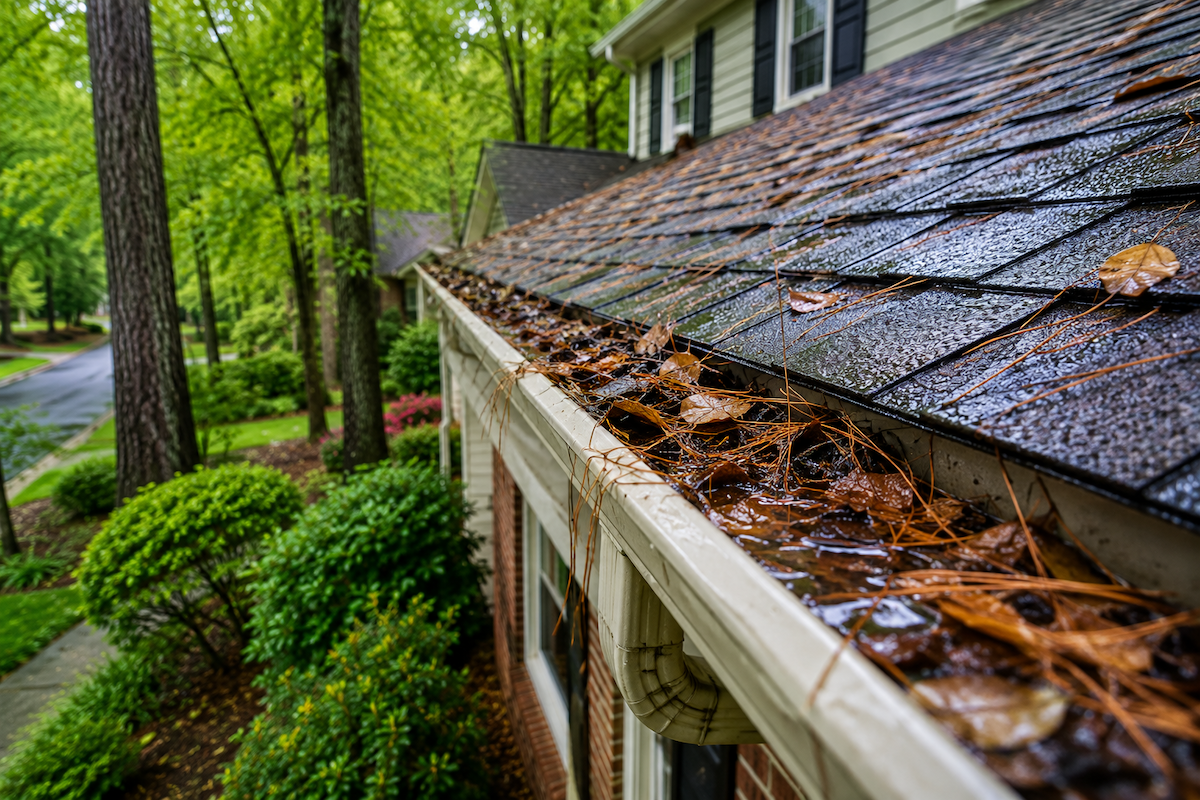
Gutters are usually the first system to show fall stress, especially on properties with mature oaks, pines, or hickories nearby.
What to look for
- Leaves, pine straw, or debris piled up inside the gutter channel
- Water marks or staining on the fascia board, which can mean water is overflowing somewhere
- Gutters pulling away from the roofline or sagging between hangers
- Downspouts that are clogged or draining too close to the foundation
- Granules collecting in the gutter, which can be a sign of shingle wear
If your home sits under heavy tree cover, gutter guards can meaningfully reduce how often you need to clear debris by hand, though even guarded systems benefit from an occasional check during peak leaf drop.
Step 2: Check Your Roof for Storm Season Wear
Georgia and Alabama both see their share of spring and summer storms, and a roof can pick up damage that isn't obvious from the ground. Fall is a good time to take stock before winter weather adds more stress.
What a ground-level check can catch
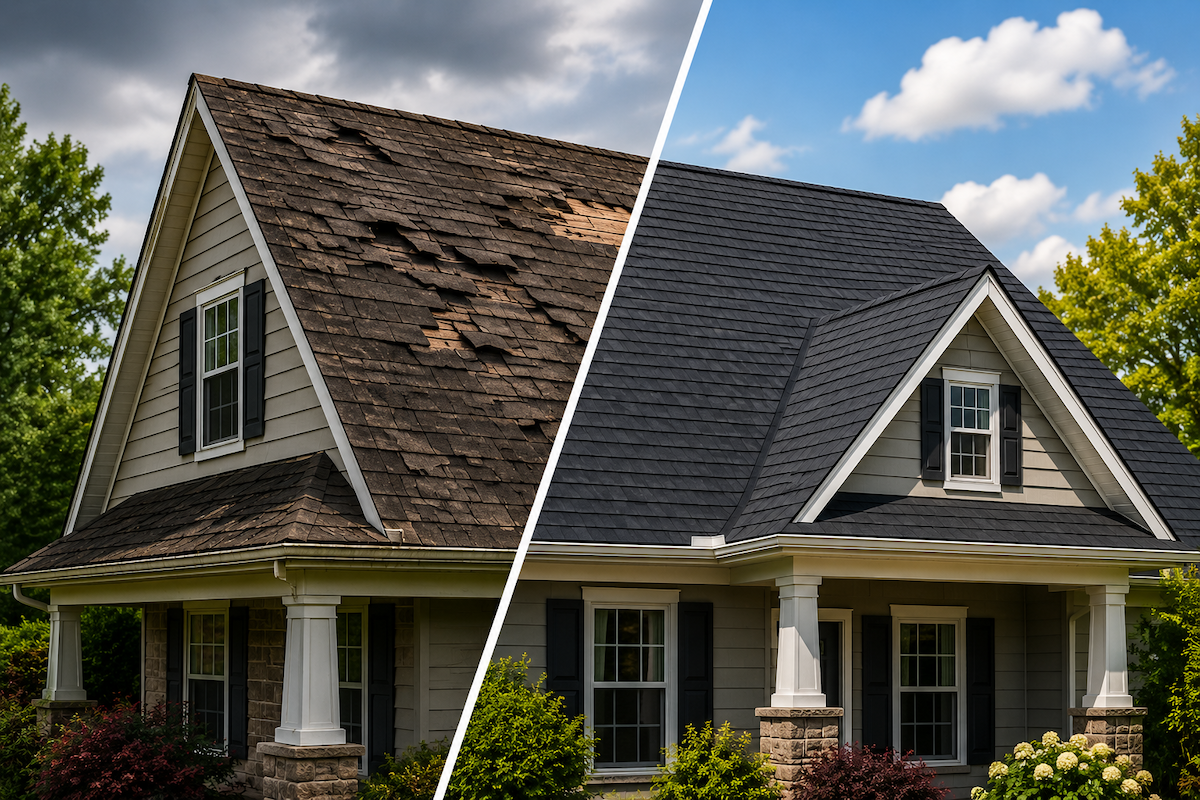
- Missing, cracked, or curling shingles visible from the ground
- Granules collecting in gutters or at downspout outlets
- Visible sagging along the roofline
- Debris, such as branches, resting on the roof surface
- Flashing around the chimney that looks lifted, rusted, or separated
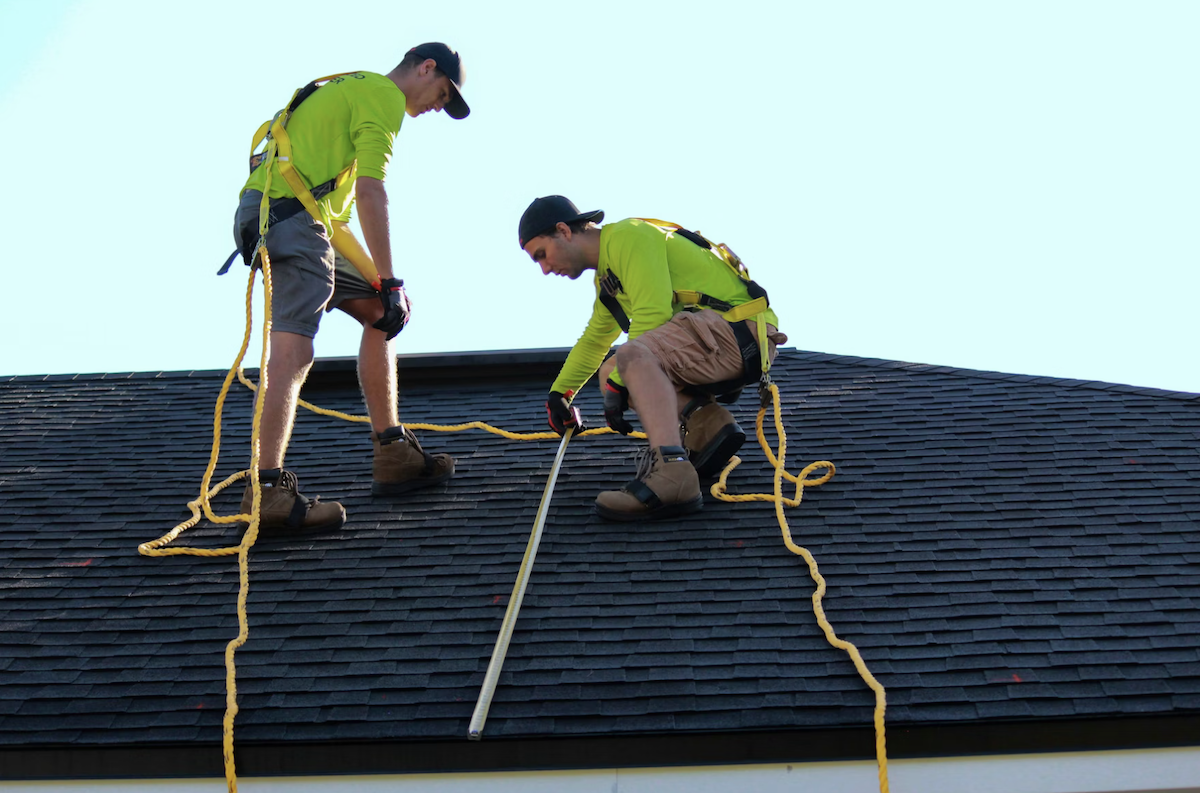
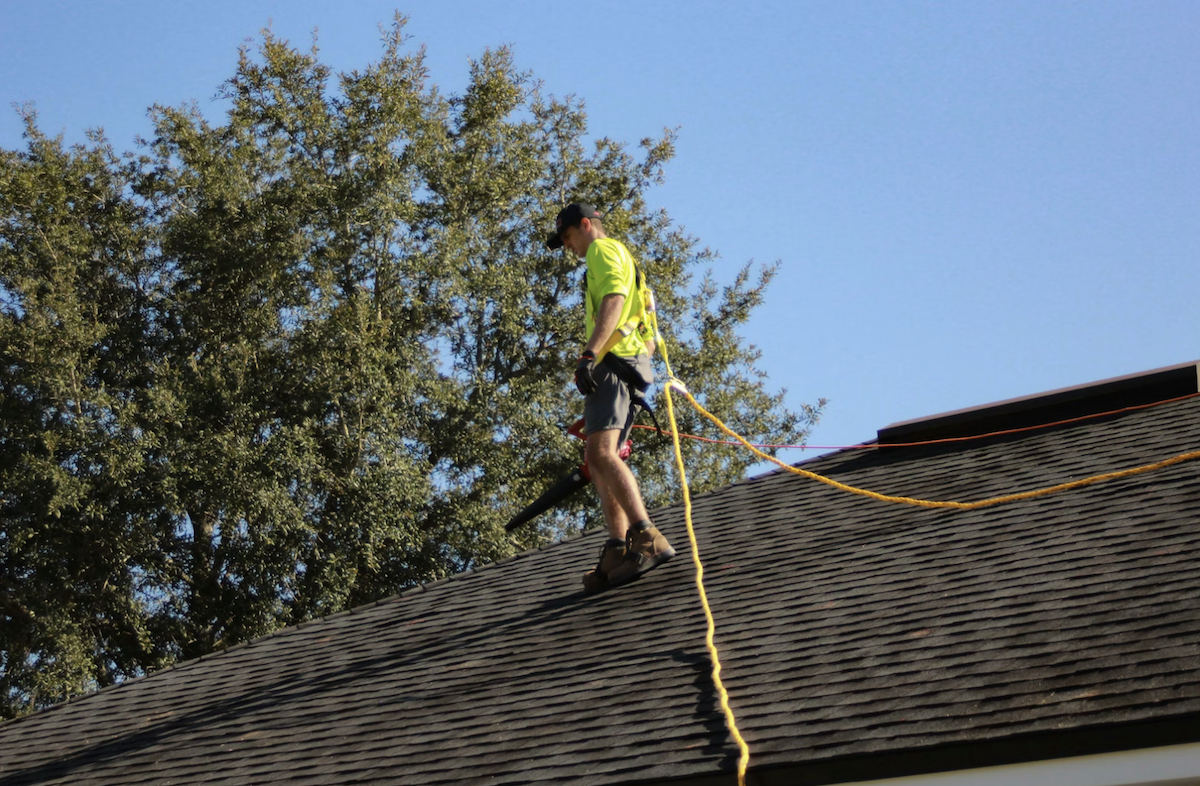
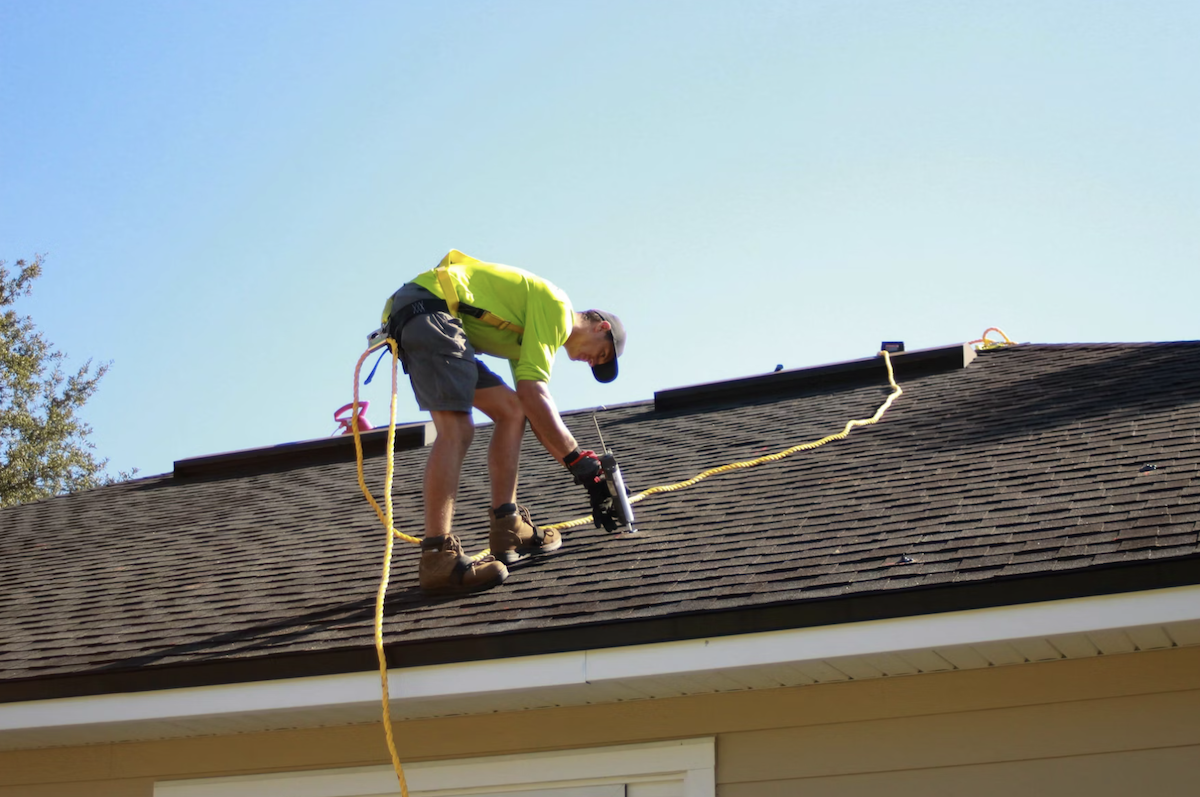
Binoculars can help you spot obvious issues without climbing a ladder, but a proper roof inspection usually means getting eyes on the surface itself, checking flashing, and looking at the roof deck from the attic side. That's the kind of check best left to a professional, both for safety and because it's easy to miss damage from the ground.
Step 3: Look at Siding, Trim, and Caulking
- Cracked, warped, or loose siding panels
- Gaps or missing caulking around windows, doors, and corner trim
- Soft spots or staining that could mean moisture is getting behind the siding
- Peeling paint on fiber cement siding, which can signal a moisture issue underneath
- Trim boards that have pulled away from the wall
Whether your home has vinyl or fiber cement siding, fall is a good time to check for the small gaps that let cold air and moisture in over the winter.
Common problem spot
Fiber cement siding, such as James Hardie products, tends to hold up well to Georgia and Alabama's humidity swings, but no siding material is maintenance-free. A quick walk around the exterior with a checklist catches most issues before they become a bigger repair.
Step 4: Check Flashing, Vents, and Roof Penetrations
Flashing around chimneys, plumbing vents, and any other roof penetration is one of the most common places for leaks to start, and it's also one of the easiest things to overlook. Look for flashing that appears lifted, rusted, or separated from the surrounding roofing material. If you have a chimney, check the counterflashing where it meets the masonry, since that joint tends to loosen over time with temperature changes.
Step 5: Trim Back Overhanging Limbs
Branches that hang over the roofline do more damage than most homeowners expect. They drop leaves and debris directly into gutters, scrape granules off shingles when the wind blows, and give squirrels and other animals easy access to the roof. Trimming limbs back a few feet from the roof edge before winter storms roll through is one of the simplest ways to reduce fall and winter roof wear.
Fall Exterior Checklist at a Glance
In short: before winter arrives, Georgia and Alabama homeowners should clear gutters and downspouts, visually check the roof for storm damage and granule loss, walk the exterior for siding gaps and loose panels, inspect flashing around chimneys and vents, and trim back any limbs hanging over the roofline. Ground-level and attic checks are reasonable to handle yourself; anything that requires getting on the roof is safer left to a professional.
Step-by-Step: Your Fall Exterior Walkthrough
- Clear gutters and downspouts of leaves and debris.
- Do a ground-level visual check of your roof for storm wear.
- Walk the exterior and check siding, trim, and caulking for gaps.
- Check flashing around chimneys, vents, and other roof penetrations.
- Trim back any limbs hanging over the roofline.
- Schedule a professional inspection for anything you can't fully assess yourself.
Fall Maintenance Checklist Summary
- Gutters and downspouts clear of debris
- Roof checked from the ground for storm damage
- Siding, trim, and caulking inspected for gaps
- Flashing checked around chimneys and vents
- Overhanging limbs trimmed back
- Unresolved storm damage from earlier in the year documented and addressed
DIY Checks vs. Calling a Professional
TaskRecommended ApproachClearing visible gutter debris from a stable ladderReasonable to DIYFull roof surface and flashing inspectionBetter left to a professionalVisual check of siding and trim from the groundReasonable to DIYDiagnosing the cause of an active leakBetter left to a professionalTrimming low, accessible tree limbsReasonable to DIYAssessing storm or wind damage on the roof deckBetter left to a professional
What About Storm Damage From Earlier This Year?
If your home took wind or hail during spring or summer storms and you never had it looked at, fall is a good time to close that loop before winter weather makes any existing damage worse. We help homeowners thoroughly document storm damage to support their insurance claims process, but we are not insurance adjusters or attorneys, so it's always worth reviewing your own policy and talking with your insurer about next steps. A documented roof report gives you dated photos and notes to work from either way.
Bottom Line: Get Ahead of Winter While You Still Can
The fall window between the last summer storms and the first hard freeze is short, but it's the best time to catch small problems on your roof, gutters, and siding before winter weather makes them worse. A short walk around your home with this checklist, plus a professional look at anything you can't assess from the ground, is the most practical way to head into winter with confidence.
Right Hand Roofing & Gutters is a family-owned company serving Georgia and Alabama since 2005. Our team backs its workmanship with a lifetime guarantee, and we're happy to take a look before winter weather puts your roof, gutters, or siding to the test.
Request your free roof report (a $100 value, offered at no cost) at right-handroofing.com/free-roof-report or call us at 678-840-2255 to schedule your fall exterior check.
Frequently Asked Questions
How often should I clean my gutters in the fall?
Most Georgia and Alabama homes with nearby trees need at least one thorough gutter cleaning in the fall, and often a second check once leaf drop is finished. Homes with heavy tree canopy or gutter guards installed may need less frequent hands-on cleaning, but it's still worth a visual check after peak leaf drop.
Can I inspect my own roof, or should I hire someone?
A ground-level visual check with binoculars is fine for spotting obvious issues like missing shingles or sagging. A full inspection that includes the roof surface, flashing, and attic side of the deck is safer and more thorough when handled by a professional, since it involves working at height and knowing what subtle damage looks like.
What's the most common cause of roof leaks found during fall inspections?
Flashing around chimneys, vents, and other roof penetrations is one of the most frequent sources of leaks. These joints can loosen or shift over time with temperature changes, so they're worth checking every fall even if the rest of the roof looks fine.
Should I trim trees near my roof before winter?
Yes. Limbs that hang over or near the roofline contribute to gutter clogs, granule loss on shingles, and give pests easier access to the roof. Trimming branches back a few feet from the roof edge before winter storms is a simple step that reduces wear on both the roof and gutters.
Does fiber cement siding need different fall maintenance than vinyl?
Both hold up well to Georgia and Alabama's climate, but each benefits from a fall check for cracks, gaps, and loose caulking. Vinyl siding is more prone to cracking in sudden cold snaps, while fiber cement should be checked for any spots where moisture may have gotten behind a panel during the year. Neither is maintenance-free, so an annual look at both is worthwhile.