Why Attic Ventilation Matters for Your Georgia or Alabama Roof
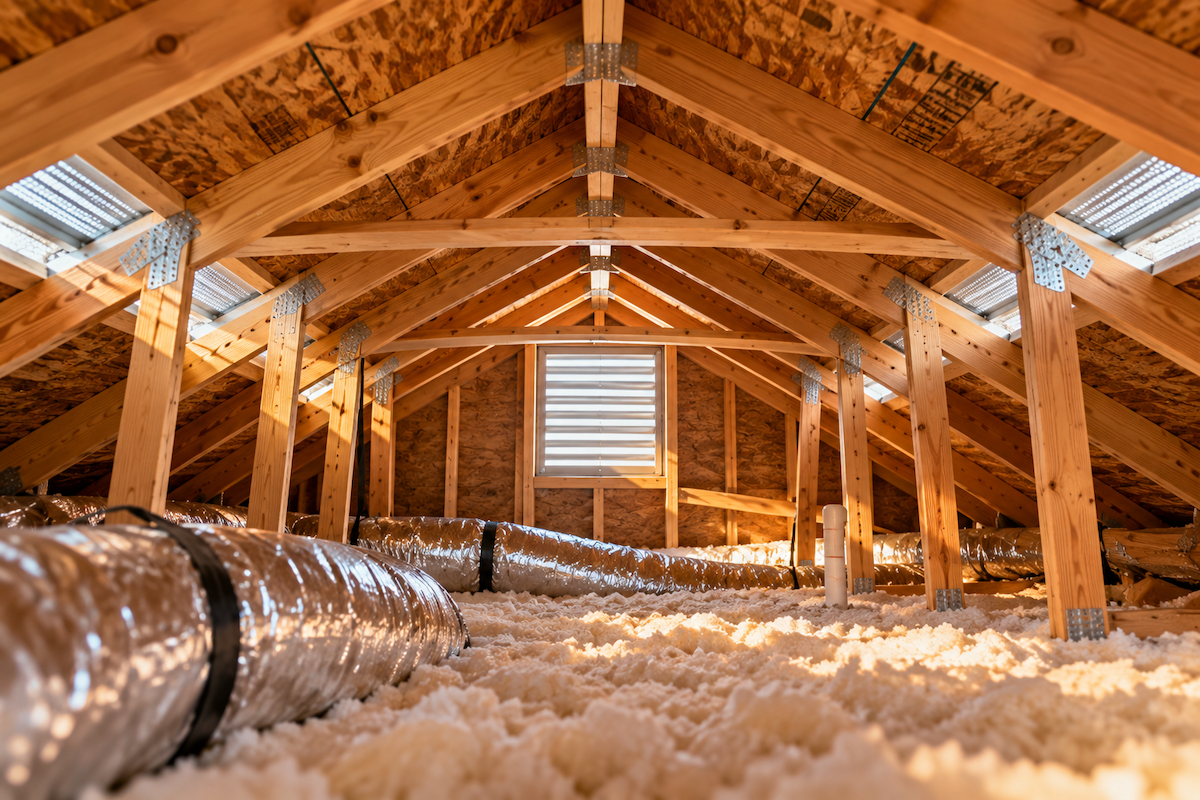
Walk into most attics in Georgia or Alabama on a July afternoon and the heat hits you before you're even past the access hatch. That trapped heat, and the moisture that builds up right along with it, is doing more to your roof than most homeowners realize. In this guide, we'll look at why attic ventilation matters so much in this region's climate, what poor ventilation actually does to a roof over time, and how to tell whether your attic is breathing the way it should.
Quick Summary
- Attic ventilation works as a system of intake and exhaust vents working together, not as a single part.
- Intake vents, typically soffit vents, pull cooler air in low in the attic.
- Exhaust vents, such as ridge, roof, or gable vents, let hot, moist air escape high in the attic.
- Poor ventilation traps heat against the roof deck and shingles, which can contribute to premature wear.
- Trapped moisture from poor ventilation can lead to condensation, mold, and wood rot over time.
- Insulation that blocks soffit vents can choke off intake airflow even when the vents themselves are in good condition.
- A professional evaluation looks at ventilation, insulation, and the roof together rather than in isolation.
Why Attic Ventilation Is a Bigger Deal in Georgia and Alabama
Homes across Atlanta, Marietta, Rome, Birmingham, and Auburn deal with long stretches of high heat and heavy humidity for much of the year. An attic without proper airflow can climb well above outdoor temperatures on a sunny afternoon, and that heat sits directly against the underside of the roof deck and shingles for hours at a time. Add in the region's humidity, and the same attic space can also be holding onto moisture that has nowhere to go.
Right Hand Roofing & Gutters has been a family-owned company serving Georgia and Alabama since 2005, and attic ventilation is one of the most overlooked factors we see when a roof shows premature wear that doesn't match its age.
How Poor Ventilation Affects Your Roof
Heat Buildup and Shingle Wear
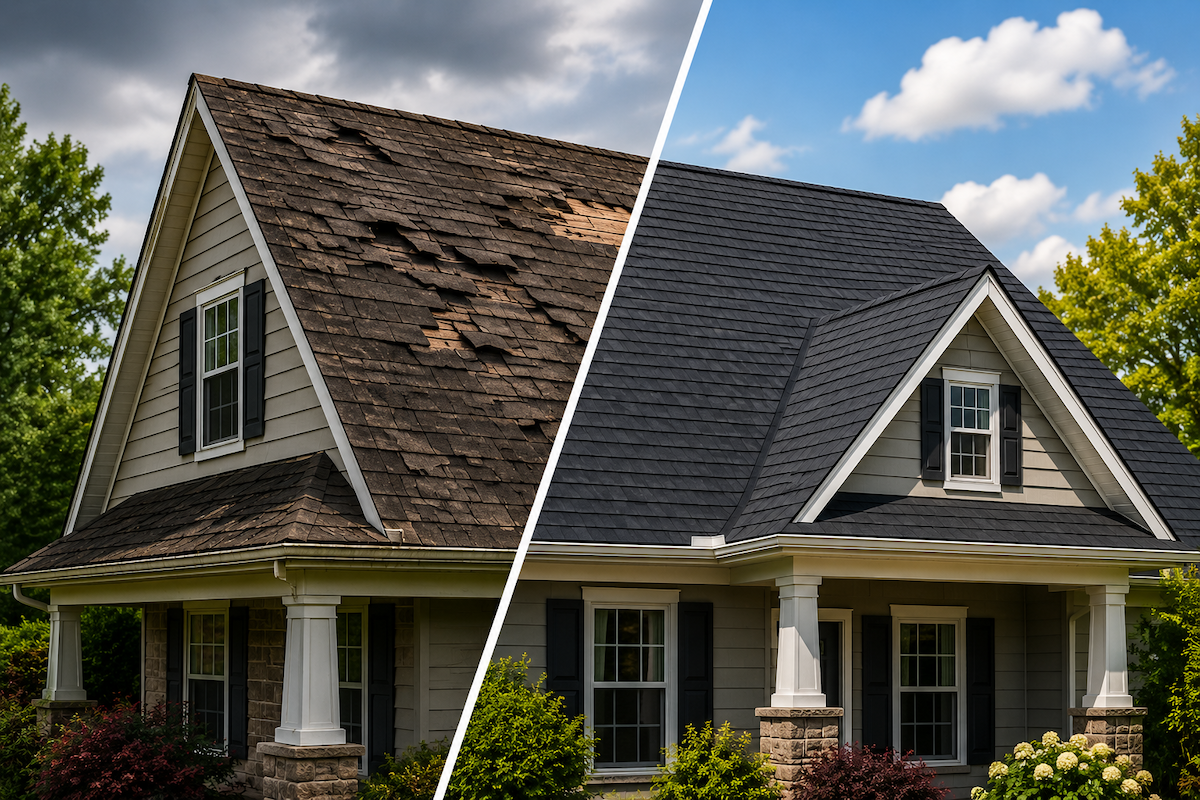
Asphalt shingles are designed to handle sun exposure from above, but they age faster when they're also absorbing extra heat radiating up from a poorly ventilated attic below. Over time, that added heat stress can contribute to premature granule loss, curling, and a shorter effective lifespan than the shingles were designed for.
Moisture, Condensation, and Wood Rot
When warm, moist air gets trapped in an attic, it can condense on the cooler underside of the roof deck, especially overnight or during temperature swings. Over months and years, that condensation can lead to staining, mold growth, and eventually softening or rot in the roof deck and rafters, problems that are often invisible until an inspection turns them up.
Higher Indoor Temperatures
An overheated attic doesn't stay contained to that space. Heat radiates down into the living area below, which is one of the reasons upstairs rooms often run warmer than the rest of the house in homes with inadequate ventilation.
What a Balanced Ventilation System Looks Like
Effective attic ventilation depends on a balance between two types of vents working together.
Intake Vents
Intake vents, most commonly soffit vents installed under the eaves, are where cooler outside air enters the attic. They sit low in the attic space by design, since cooler air entering near the bottom is what drives airflow up and out through the exhaust vents above. If soffit vents are blocked, whether by paint, debris, or insulation pushed too far into the eaves, the whole ventilation system loses its intake side no matter how much exhaust capacity exists higher up.
Exhaust Vents
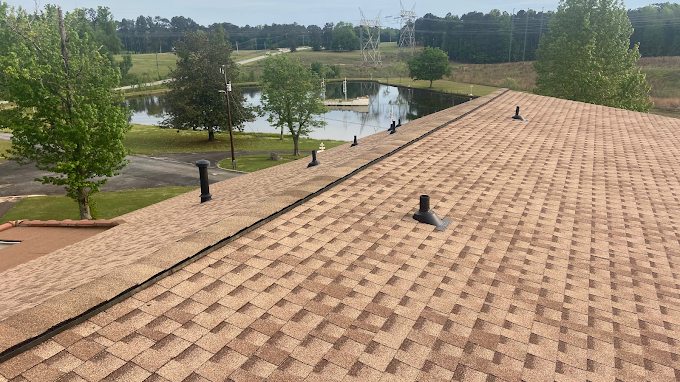
Exhaust vents, such as ridge vents, static roof vents, or gable vents, are positioned high on the roof or attic, where hot air naturally rises and needs somewhere to go. Ridge vents run the length of the roof's peak and tend to provide even exhaust across the attic, while roof vents and gable vents work in specific locations rather than along the whole ridge. Whichever type is used, exhaust capacity needs to be sized to match the home's intake, not just added on its own.
When intake and exhaust are balanced, air moves continuously through the attic, carrying heat and moisture out rather than letting it collect.
Signs Your Attic Ventilation May Not Be Working
- An attic that feels noticeably hotter than the outside temperature on a sunny afternoon
- Visible staining, discoloration, or mold on the underside of the roof deck or rafters
- A persistent musty smell in the attic or in upstairs rooms
- Upstairs rooms that run warmer than the rest of the house
- Shingles showing premature granule loss, curling, or wear that doesn't match the roof's age
- Condensation or dampness on nails, framing, or other surfaces inside the attic
Attic Ventilation at a Glance
In short: attic ventilation works by pulling cooler air in low, through soffit vents, and letting hot, moist air escape high, through ridge or roof vents, keeping the attic closer to outdoor temperature and humidity year-round. A poorly ventilated attic traps heat against the roof deck and shingles, and traps moisture that can lead to condensation, mold, and wood rot. Balanced intake and exhaust, sized to work together, is what keeps the whole system doing its job.
Step-by-Step: Checking Your Attic's Ventilation
- Go into the attic on a hot afternoon and note how much hotter it feels than outside.
- Look at your soffits from outside to confirm vents are present, unobstructed, and not painted over.
- Check for ridge, roof, or gable vents and confirm they appear clear and intact.
- From inside the attic, look at the insulation near the eaves to see whether it's blocking the soffit vents.
- Check the underside of the roof deck and rafters for staining, mold, or dampness.
- If anything looks off, or you're unsure, request a professional evaluation of the full ventilation system.
Ventilation Checklist Summary
- Confirm soffit (intake) vents are clear and unblocked by insulation
- Confirm ridge, roof, or gable (exhaust) vents are present and intact
- Check for attic heat buildup on a hot, sunny day
- Look for staining, mold, or dampness on the roof deck and rafters
- Watch for premature shingle wear or granule loss
- Have a professional evaluate the system if anything seems off
Why This Isn't Always a DIY Fix
Adding a vent or two might seem like a simple weekend project, but attic ventilation is a system, not a single part. Adding exhaust without matching intake, or the reverse, can make airflow worse instead of better. A professional evaluation looks at the attic and roof as a whole system, including insulation placement, existing vent types, and how much intake and exhaust the space actually needs.
Bottom Line: An Attic You Can't See Still Affects the Roof You Can
Attic ventilation rarely gets attention until something else goes wrong, like premature shingle wear or a musty smell that won't go away. In Georgia and Alabama's heat and humidity, a balanced intake and exhaust system is one of the most practical ways to protect a roof's lifespan and keep the space below it more comfortable.
Right Hand Roofing & Gutters is a family-owned company serving Georgia and Alabama since 2005. Our team backs its workmanship with a lifetime guarantee, and we're glad to take a look at your attic ventilation as part of a full roof evaluation.
Request your free roof report (a $100 value, offered at no cost) at right-handroofing.com/free-roof-report or call us at 678-840-2255.
Frequently Asked Questions
How can I tell if my attic has enough ventilation?
Signs of insufficient ventilation include an attic that feels excessively hot, visible staining or a musty smell on the underside of the roof deck, and upstairs rooms that run noticeably warmer than the rest of the house. A professional can check whether your intake and exhaust vents are properly balanced for your attic's size.
Does attic ventilation affect my energy bills?
A well-ventilated attic tends to run closer to outdoor temperature, which can ease the load on cooling systems during hot months. The exact effect varies by home, insulation levels, and system efficiency, so results differ from house to house.
Can too much attic ventilation be a problem?
Yes. Ventilation works as a balanced system, and too much exhaust without enough matching intake can pull conditioned air from the living space into the attic instead of pulling in outside air. That's why sizing intake and exhaust together matters more than simply adding more vents.
Will insulation in my attic affect ventilation?
It can. Insulation that's pushed too far into the eaves can block soffit vents and cut off the attic's intake airflow, even if the vents themselves are in good condition. Baffles or chutes are typically used to keep a clear air channel above the insulation at the eaves.
Should I have my attic checked when I get a roof inspection?
Yes. Attic ventilation and roof health are closely connected, so a full roof evaluation should include a look at the attic space, not just the shingles and exterior. Catching a ventilation problem early can help protect the life of a newer roof or explain premature wear on an older one.