First-Time Homebuyer in Atlanta? Here's What to Know About Your Roof
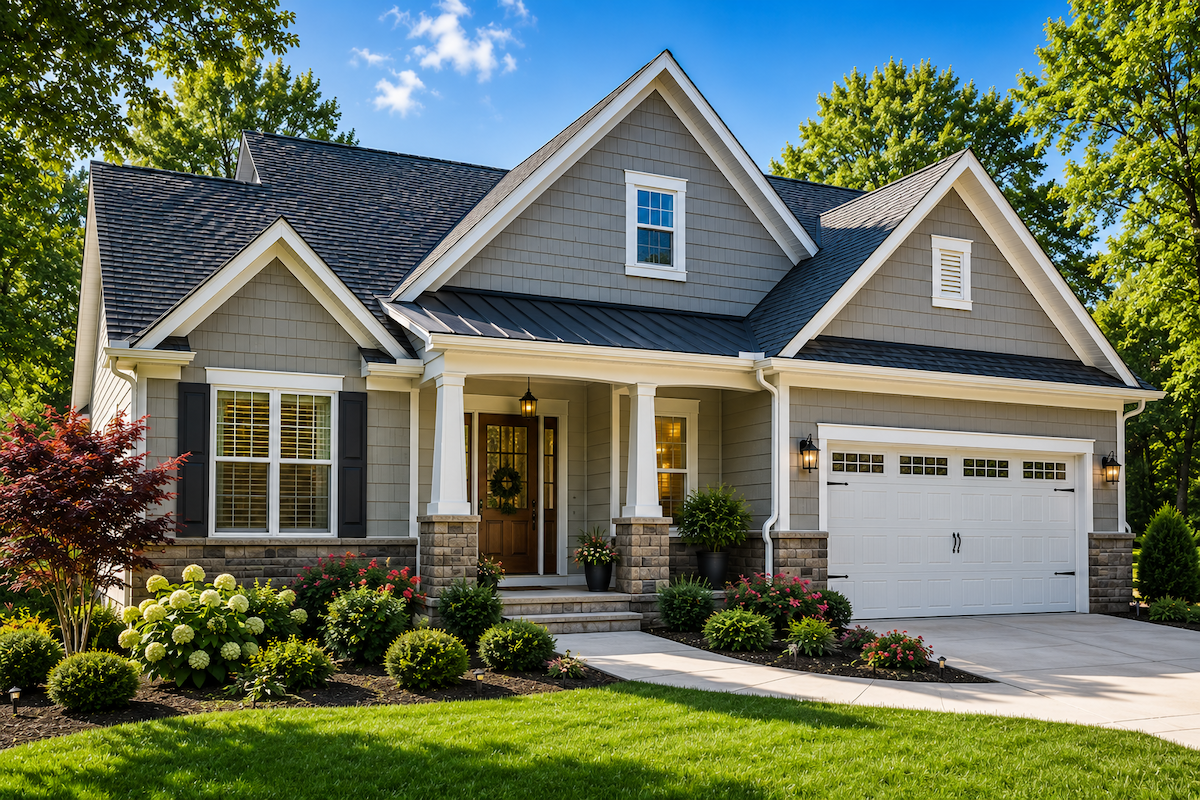
You found a house you love in Decatur. Or maybe it's a charming ranch in Smyrna or a renovated bungalow near the BeltLine. The neighborhood is perfect, the layout works, and the price is (finally) within reach.
But before you get swept up in the excitement, there's something above your head that deserves serious attention: the roof.
For first-time buyers in Metro Atlanta, the roof is often an afterthought during the house hunt. That's a mistake. Your roof affects everything from your monthly insurance costs to whether you'll face a $15,000 surprise expense in your first year of ownership. And in 2026, Georgia's insurance market has made roof condition more important than ever.
Here's what you actually need to know.
Why the Roof Matters More Than You Think
When you're buying your first home, it's easy to focus on the visible stuff: kitchens, bathrooms, flooring, paint colors. The roof? It just sits up there doing its job. Until it doesn't.
Consider this: research shows that roof issues appear in nearly 20% of all home inspections, making it one of the most common problems discovered during the buying process. And unlike a dated kitchen, a failing roof isn't something you can address "eventually." Water doesn't wait.
In Metro Atlanta specifically, your roof faces unique challenges:
Intense rainfall. Atlanta receives over 50 inches of rain annually, more than Seattle. Your roof handles that water day after day, year after year.
Severe storms. Georgia experiences roughly 63 hail events per year. Thunderstorms with high winds roll through regularly during spring and summer. Each one tests your roof's integrity.
Heat and humidity. Summer temperatures in the 90s combined with high humidity accelerate wear on roofing materials and can promote algae growth.
Temperature swings. Atlanta isn't immune to winter weather. The freeze-thaw cycles that occur during cold snaps cause expansion and contraction that stresses roofing materials.
A roof that looks fine from the street might be nearing the end of its useful life. That's why understanding what you're buying matters.
What a General Home Inspection Actually Tells You
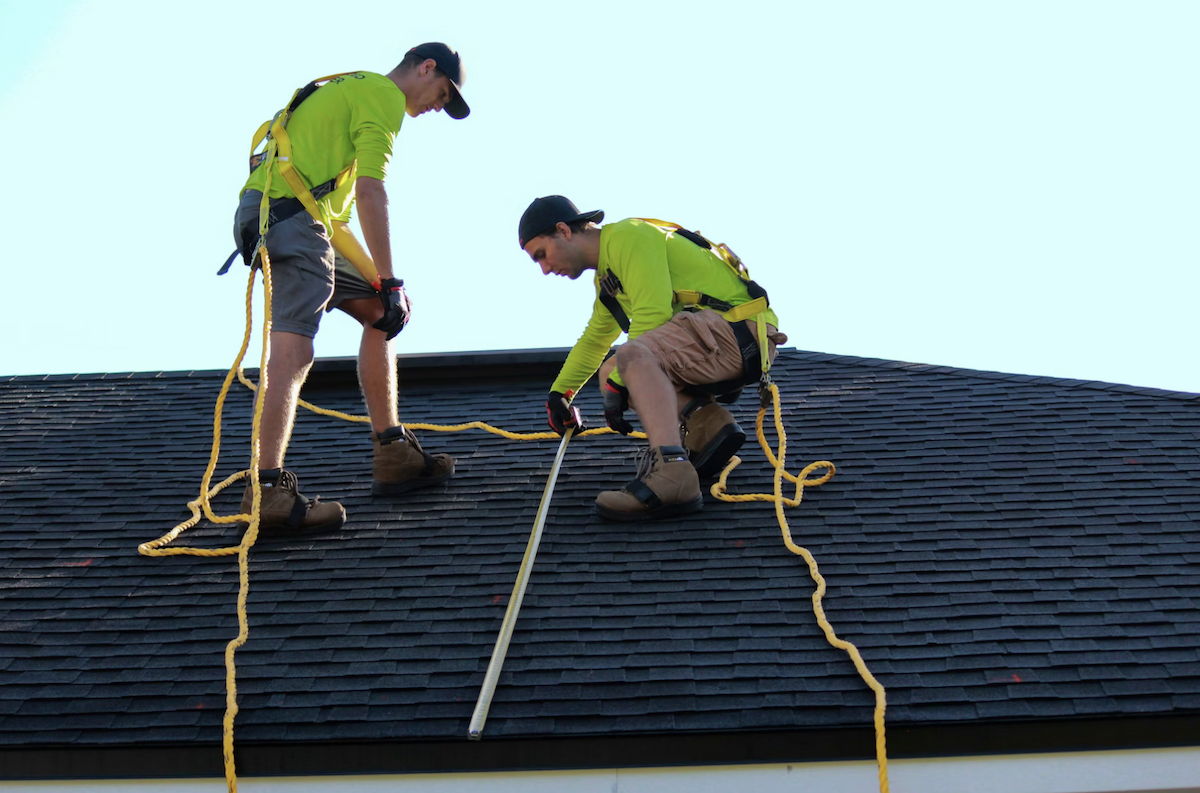
When you get a home inspection (and you should always get one), the inspector will look at the roof. But it's important to understand what a general inspection does and doesn't cover.
A standard home inspection typically identifies:
- Missing, curled, or visibly damaged shingles
- Obvious flashing problems around chimneys and vents
- Signs of water damage on interior ceilings
- Basic structural concerns like sagging
- Visible ventilation issues
What a general inspection usually won't catch:
- The exact remaining lifespan of the roof
- Hidden damage under shingles
- Subtle issues that will become problems in 2-3 years
- Problems only visible in attic spaces that aren't fully accessible
- Detailed assessment of underlayment condition
If your home inspector notes any roofing concerns, or if the roof appears to be older, consider requesting a dedicated roof inspection from a licensed roofing contractor. This costs between $150 and $400 but can reveal issues that a general inspection misses.
For context: the average buyer who uses inspection findings to negotiate saves around $14,000 off the purchase price. A roof in questionable condition is exactly the kind of finding that justifies negotiation.
The Questions You Need Answered
Before closing on any Atlanta home, make sure you have answers to these questions:
How old is the roof?
This is the single most important question. Different roofing materials have different expected lifespans:
- Standard 3-tab asphalt shingles: 15-20 years
- Architectural (dimensional) asphalt shingles: 25-30 years
- Metal roofing: 40-70 years
- Tile or slate: 50-100 years
Most homes in Metro Atlanta have asphalt shingle roofs. If the roof is approaching or past its expected lifespan, factor replacement costs into your calculations.
Has the roof been replaced, or is it the original?
Newer construction often has the original builder-grade roof. Homes that have changed hands may have had replacements. Ask for documentation showing when roofing work was done and by whom.
What's the maintenance history?
A well-maintained roof lasts longer. Ask whether the current owners have had regular inspections, addressed minor repairs promptly, and kept gutters clean. If there's no maintenance history, assume the worst.
Are there any existing leaks or past water damage?
Water stains on ceilings or walls are red flags. Even if the leak has been "fixed," you want to understand what happened and whether underlying damage was properly addressed.
What type of shingles are installed?
Builder-grade 3-tab shingles are the cheapest option and have the shortest lifespan. Architectural shingles cost more but last longer and perform better in severe weather. Knowing what's on the roof helps you estimate when replacement will be needed.
Is there transferable warranty coverage?
Some roofs have manufacturer warranties that transfer to new owners. This is valuable protection. Ask for warranty documentation and verify what's actually covered.
The Insurance Factor: Why This Is Different in 2026
Here's something many first-time buyers don't realize until it's too late: the condition and age of your roof directly affects your ability to get homeowners insurance and how much you'll pay.
Georgia's insurance market has tightened significantly in recent years. Insurance companies are now using aerial imagery and AI to evaluate roofs remotely before issuing or renewing policies. What they're looking for:
Roof age. Many carriers enforce what's called a "15-year cliff." If the asphalt shingle roof is older than 15 years, you may face limited coverage options, higher premiums, or outright denial.
Visible condition. Algorithms flag issues like streaking (often algae), missing granules, curled shingles, or debris accumulation. Sometimes these flags are accurate; sometimes they're false positives from tree shadows or harmless discoloration.
Actual Cash Value vs. Replacement Cost. Older roofs often qualify only for Actual Cash Value (ACV) coverage rather than Replacement Cost Value (RCV). With ACV, if your 15-year-old roof is damaged, the insurer pays the depreciated value, potentially leaving you responsible for 50% or more of replacement costs.
What this means for buyers:
Before you close on a home, get insurance quotes. If the roof age or condition is causing insurers to decline coverage, charge significantly higher premiums, or offer only ACV coverage, you need to know that before you own the property.
Some buyers have discovered after closing that they can't get affordable insurance on their new home because of the roof. That's a scenario you want to avoid.
New Georgia protections: As of January 1, 2026, Georgia Senate Bill 35 requires insurance companies to provide 60 days' notice before non-renewal (up from 30 days). This gives homeowners more time to address roof issues or find alternative coverage. But for buyers, the better approach is to understand roof-related insurance implications before you purchase.
What You Can See During a Showing
You're not a roofing expert, and that's fine. But there are things you can observe during a showing that should raise questions:
From outside:
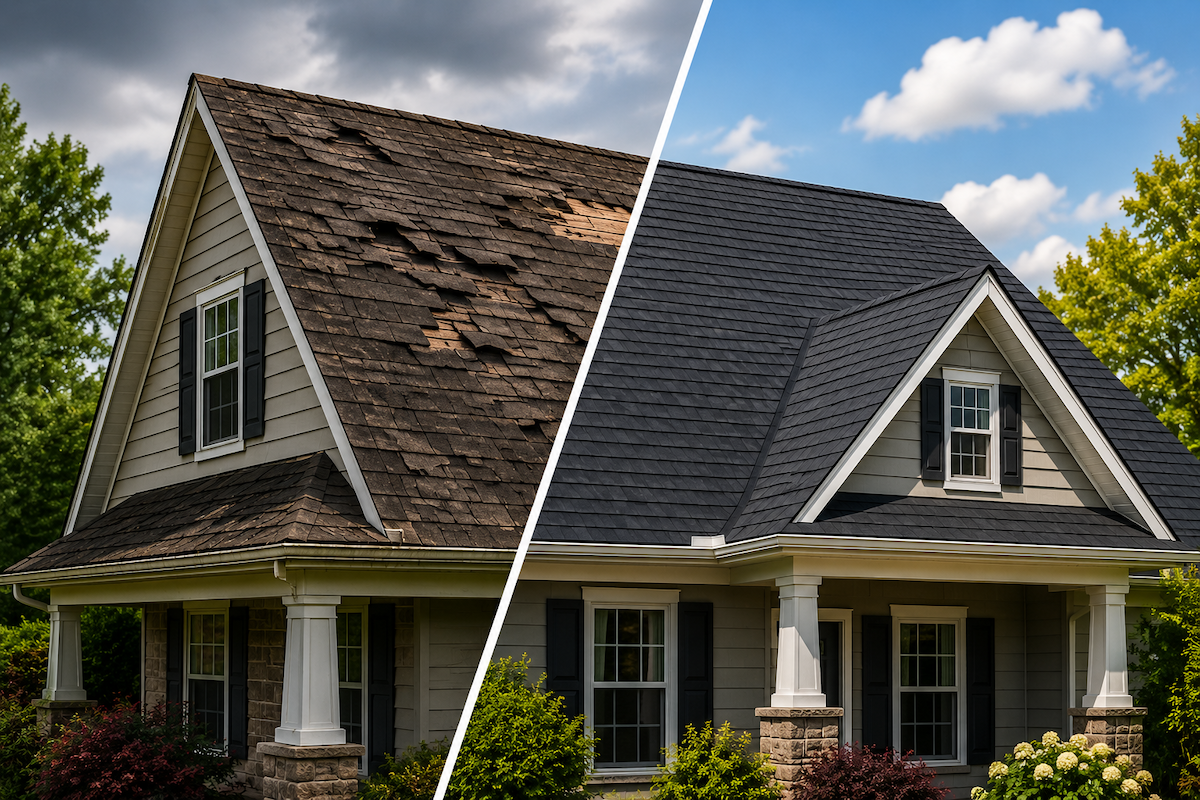
- Shingles that are curling, buckling, or visibly damaged
- Missing shingles or patches of different-colored shingles (indicating repairs)
- Sagging sections of the roofline
- Excessive moss or algae growth (common in shaded areas of Atlanta)
- Gutters pulling away from the fascia
- Visible rust on metal components
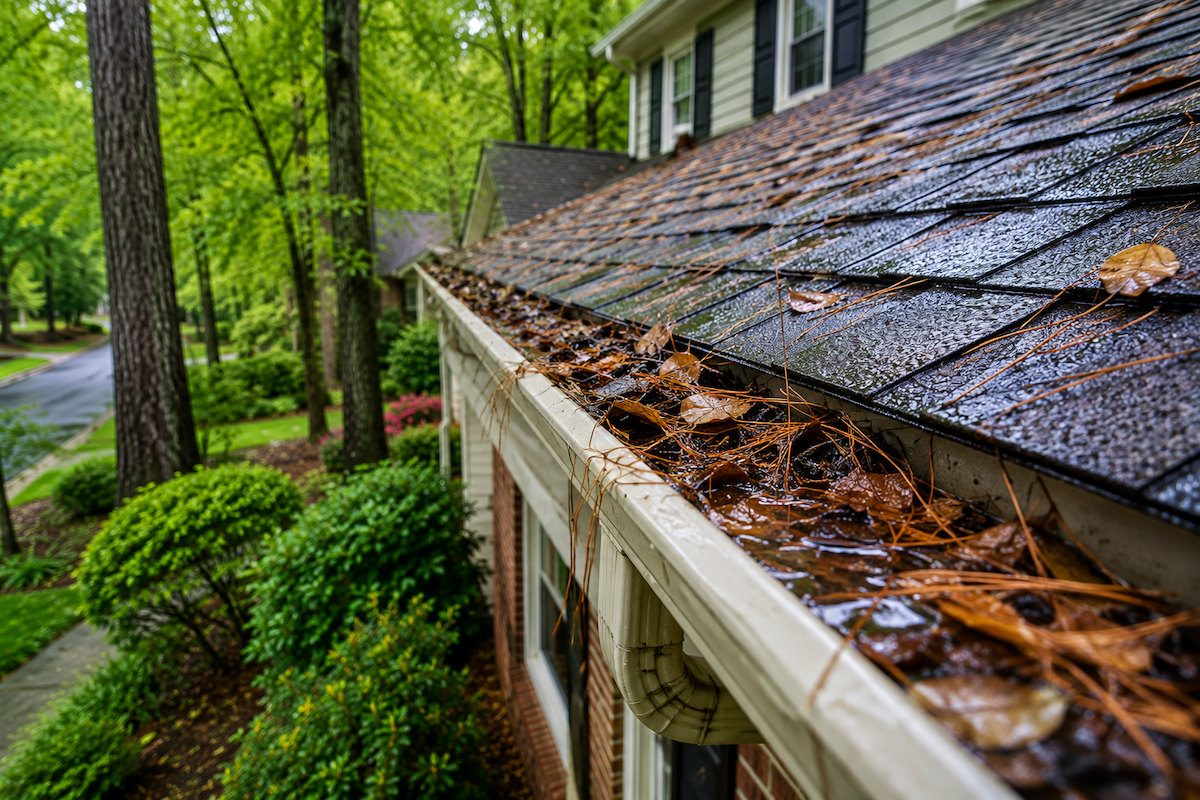
- Debris accumulation in valleys or around penetrations
From inside (if you can access the attic):
- Daylight visible through the roof boards
- Water stains or dark spots on wood
- Signs of mold or mildew
- Inadequate insulation
- Poor ventilation (look for bathroom or kitchen vents that exhaust into the attic rather than outside)
On ceilings:
- Water stains, even if they've been painted over
- Bubbling or peeling paint
- Soft spots in drywall
Any of these observations warrants follow-up questions and potentially a dedicated roof inspection.
Roof Replacement Costs in Metro Atlanta
If you're buying a home that needs a roof soon, or if you need to budget for replacement in the coming years, here's what Atlanta homeowners typically pay in 2026:
Asphalt shingles (most common):
- Small home (1,000-1,500 sq ft): $8,000-$12,000
- Average home (1,500-2,500 sq ft): $10,000-$18,000
- Larger home (2,500+ sq ft): $15,000-$25,000+
Metal roofing:
- Significantly higher upfront cost (often 2x asphalt)
- Much longer lifespan (40-70 years)
- May qualify for insurance discounts in Georgia
These numbers vary based on roof complexity (steep pitches, multiple dormers, and numerous penetrations cost more), material quality, and whether additional work like decking replacement is needed.
Labor now accounts for 50-60% of total roof replacement cost in Georgia, reflecting the skilled trades shortage and rising contractor insurance costs.
Negotiating Based on Roof Condition
If the inspection reveals roof issues, you have leverage. Here are your options:
Request the seller replace the roof before closing. This ensures you start with a new roof and the seller covers the cost. Some sellers will agree; others won't.
Request a price reduction. If the roof needs replacement in the near future, ask for a credit equal to the expected cost. This gives you cash at closing to apply toward future roof work.
Request a credit at closing. Similar to a price reduction, but structured as a seller credit that reduces your out-of-pocket closing costs.
Accept the roof as-is and plan accordingly. If you love the home and the price already reflects the roof condition, you might choose to proceed and budget for replacement yourself.
The key is having accurate information about the roof's condition and expected remaining life. A professional roof inspection provides the documentation you need to negotiate effectively.
Your First-Year Roof Checklist
Once you close on your Atlanta home, here's what you should do regarding the roof:
Within the first month:
- Locate and file any roof warranties and documentation from the seller
- Take photos of the roof from multiple angles (useful for future insurance claims)
- Note the date of last replacement or major repairs
Before your first storm season:
- Have gutters cleaned and inspected
- Trim any tree branches hanging over the roof
- Schedule a professional roof inspection if you didn't get one before closing
After any significant storm:
- Walk around the property and look for visible damage
- Check the attic for any signs of water intrusion
- Document anything you find with photos
Annually:
- Schedule a professional inspection, especially once the roof passes the 10-year mark
- Have gutters cleaned at least twice per year (spring and fall)
- Address minor repairs promptly before they become major problems
The Bottom Line for First-Time Buyers
Your roof isn't the most exciting part of homeownership, but it's one of the most important. A good roof protects your investment. A failing roof becomes a financial emergency.
As a first-time buyer in Atlanta:
- Ask about roof age and history on every property you consider seriously
- Budget for a dedicated roof inspection if the general inspection raises any concerns
- Get insurance quotes before closing to understand how the roof affects your coverage and costs
- Factor potential replacement costs into your overall budget, especially for homes with roofs over 15 years old
- Negotiate when inspection findings justify it
The Atlanta housing market in 2026 offers more breathing room for buyers than we've seen in years. Use that leverage. Ask questions. Get inspections. And don't let roof problems surprise you after you've signed the papers.
Questions About a Roof Before You Buy?
At Right Hand Roofing & Gutters, we provide pre-purchase roof inspections for homebuyers throughout Metro Atlanta. We'll give you an honest assessment of the roof's condition, estimated remaining lifespan, and any issues you should know about before closing.
We're a family-owned company that's been serving Georgia and Alabama since 2005. We're not here to sell you a roof you don't need. We're here to give you the information you need to make a smart decision.
Call us at 678-840-2255 or schedule your inspection to get clear answers before you close.
Frequently Asked Questions
Should I get a separate roof inspection in addition to the general home inspection?
If the home is older than 15 years, if the general inspector notes any roofing concerns, or if the roof appears to be near the end of its expected life, a dedicated roof inspection is worth the $150-$400 investment. A roofing professional can identify issues that general inspectors may miss and provide a more accurate assessment of remaining lifespan.
How do I find out the age of the roof on a home I'm considering?
Ask the seller directly, and request documentation (receipts, permits, warranty paperwork). If the seller doesn't know, you can sometimes find permit records through the county building department. A roofing professional can also estimate age based on the condition and type of materials installed.
What if I can't get homeowners insurance because of the roof?
If standard insurers decline coverage due to roof age or condition, you may need to look at surplus lines carriers or consider whether the home is truly a good investment without replacing the roof first. Some buyers negotiate roof replacement as a condition of sale when insurance becomes an issue.
How much should I budget for roof maintenance as a new homeowner?
Plan on $200-$500 annually for basic maintenance including gutter cleaning (twice yearly) and minor repairs. Professional inspections run $150-$400. Setting aside $1,000-$2,000 per year for a roof replacement fund is also wise, especially as your roof ages past the 10-year mark.
Can I negotiate the home price based on roof condition?
Absolutely. If the inspection reveals the roof needs replacement soon, you can request a price reduction, seller credit, or ask the seller to replace the roof before closing. Buyers who use inspection findings to negotiate save an average of $14,000 off the purchase price nationally.
Right Hand Roofing & Gutters is a family-owned company serving Georgia and Alabama since 2005. We specialize in residential roofing, gutters, and pre-purchase roof inspections throughout Metro Atlanta.







.webp)
.webp)
.webp)
.webp)
.webp)
.webp)


.webp)
.webp)
.webp)

.jpg)


.jpg)