South Fulton Roofers: What to Ask Before You Hire
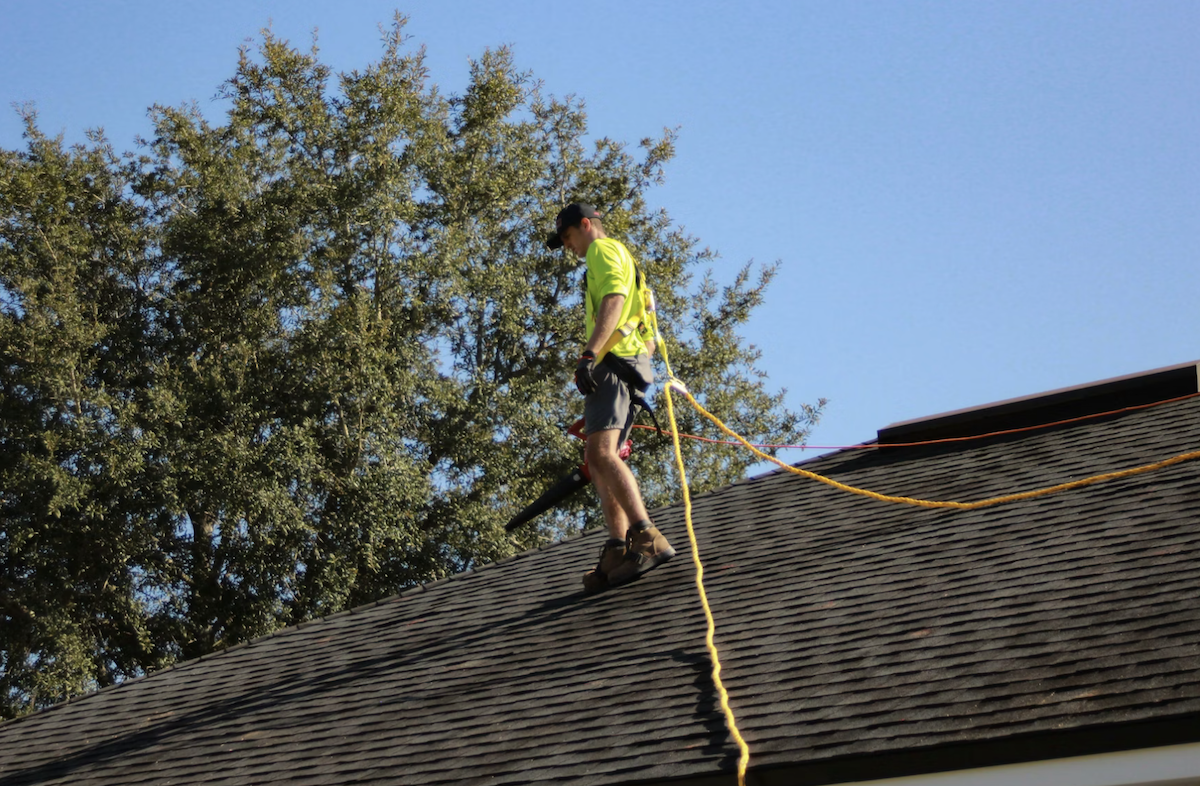
The City of South Fulton covers over 90 square miles of Metro Atlanta, from the commercial corridors along Old National Highway and Roosevelt Highway to the quieter communities of Red Oak, Sandtown, and Campbellton. With nearly 115,000 residents and homes ranging from newer subdivisions to properties with decades of history, the city has become one of Georgia's largest and fastest-growing.
That growth has attracted roofing contractors of every kind. Some are excellent. Some are adequate. And some will take your money and leave you with problems.
Knowing what questions to ask before you hire separates the homeowners who get quality work from those who get headaches. This guide covers exactly what South Fulton residents need to ask, what the answers should sound like, and what red flags should send you looking elsewhere.
Why the Right Questions Matter in South Fulton
South Fulton incorporated in 2017, making it one of Georgia's youngest cities. That means some processes are still evolving, and some contractors may not be as familiar with local requirements as they should be.
The city handles its own building permits through the Community Development and Regulatory Affairs Department. They use an online system called SagesGov for permit applications and inspections. A contractor who knows South Fulton should know this system and work within it smoothly.
Additionally, Georgia does not require a state roofing license. Anyone can call themselves a roofer. This lack of state oversight puts the responsibility on you to verify who you're hiring. The questions you ask aren't just helpful. They're essential protection.
Question 1: Are You Licensed and Insured?
This is the most important question, and you need specific answers.
What you're really asking:
Georgia doesn't require roofing-specific licenses, but contractors should be registered with the Georgia Secretary of State as a business entity. Some voluntarily hold Residential Basic Contractor or General Contractor licenses, which indicate additional accountability.
More critically, you need proof of:
- General Liability Insurance: This covers damage to your property during the project. If a worker drops materials on your car or damages your siding, liability insurance pays for repairs. Without it, you're responsible.
- Workers' Compensation Insurance: Roofing is dangerous. If a worker is injured on your property and the contractor lacks workers' comp, you could face a lawsuit. Georgia requires workers' comp for businesses with three or more employees, but smaller operations should carry it too.
What a good answer sounds like:
"Yes, we're fully insured. I can provide our Certificate of Insurance showing both general liability and workers' compensation coverage. Here's a copy, and you're welcome to call the insurance company to verify it's current."
Red flag answers:
- "We're covered, don't worry about it."
- "Insurance just drives up prices. We've never had a problem."
- "I can get you that information later."
- Any hesitation or subject change.
Your follow-up: Call the insurance company listed on the certificate. Verify the policy is active and covers roofing work. This takes ten minutes and protects you from significant liability.
Question 2: How Long Have You Been Working in South Fulton?
Local experience matters more than general experience. A contractor who's worked in South Fulton understands:
- The city's permit process through SagesGov
- Local inspection requirements and timelines
- Common roofing issues in this area
- The specific challenges of Georgia's climate
What you're really asking:
Does this contractor have roots in the community, or are they following storm damage from city to city?
What a good answer sounds like:
"We've been serving South Fulton and the surrounding Metro Atlanta area for [X] years. We're familiar with the city's permitting system and have good relationships with the inspection department. Here are references from South Fulton homeowners we've worked with recently."
Red flag answers:
- "We work all over. Just moved into this area."
- "We go where the work is."
- Inability to provide local references.
- Out-of-state phone numbers or license plates.
A contractor with no local track record has no local reputation to protect. That changes their incentives.
Question 3: Will You Handle the Permit?
South Fulton requires permits for most roofing work. The city's Development Services department processes applications through the SagesGov online portal, and inspections must be scheduled through the same system.
What you're really asking:
Does this contractor operate legitimately, and do they know South Fulton's specific process?
What a good answer sounds like:
"Absolutely. We handle all permitting as part of our service. We'll submit the application through SagesGov, pay the permit fees, and schedule all required inspections. You'll receive copies of all documentation for your records."
Red flag answers:
- "We can skip the permit and save you some money."
- "Permits aren't really necessary for this type of work."
- "You'll need to handle that yourself."
- Unfamiliarity with SagesGov or South Fulton's process.
A contractor who suggests skipping permits is either cutting corners, hiding something, or planning work that won't pass inspection. Permits protect you. They create documentation that the work met code requirements, which matters for insurance claims, home sales, and your own safety.
Question 4: Can I See Your Contract Before We Proceed?
Every roofing project needs a detailed written contract. Verbal agreements and handshake deals leave you unprotected when disputes arise.
What you're really asking:
Is this contractor professional enough to document everything, and will the terms protect me?
What a good answer sounds like:
"Of course. Here's our standard contract. It covers the complete scope of work, materials we'll use, total cost with payment schedule, timeline, warranty terms, and what happens if we discover hidden damage. Take your time reviewing it, and let me know if you have questions about any section."
What the contract should include:
- Detailed scope of work (not just "roof replacement")
- Specific materials by brand, model, and color
- Total cost with itemized breakdown
- Payment schedule tied to milestones
- Start date and estimated completion
- Warranty terms for both materials and workmanship
- Process for handling unexpected issues (like rotted decking)
- Cleanup and debris removal responsibilities
- What happens if either party needs to cancel
Red flag answers:
- "We don't really do contracts. A handshake works for us."
- "I'll write something up after we start."
- Contracts with vague language or missing details.
- Pressure to sign immediately without time to review.
Question 5: What Happens If You Find Damage Under the Shingles?
Georgia's humidity means rotted decking is common. When your contractor removes old shingles, they may discover problems that weren't visible during the initial inspection.
What you're really asking:
How will you handle surprises, and how much might that cost me?
What a good answer sounds like:
"We include a provision for this in our contract. If we find damaged decking or other hidden issues, we'll stop work, show you exactly what we've found, explain what needs to be done, and provide pricing before we proceed. You'll approve any additional work in writing before we continue. For budgeting purposes, decking replacement typically runs $75 to $100 per sheet if needed."
Red flag answers:
- "We'll figure it out as we go."
- "That's covered in the original price." (This usually means they'll cut corners or pressure you later.)
- No clear process for handling discoveries.
- Unwillingness to discuss potential additional costs.
Surprises happen in roofing. The question is whether your contractor handles them professionally or uses them to inflate costs after you're committed.
Question 6: Who Will Actually Be Doing the Work?
Some contractors use their own trained crews. Others subcontract everything. Neither is inherently wrong, but you should know who will be on your property.
What you're really asking:
Will qualified workers be on my roof, and who's accountable if something goes wrong?
What a good answer sounds like:
"Our own crews handle all installations. They're trained, experienced, and covered under our insurance. You'll meet your crew leader before work begins, and they'll be your point of contact on the job site."
Or, if subcontractors are used:
"We work with a network of vetted subcontractors. Each one is independently insured, and we verify their coverage before every project. We supervise all work and remain fully responsible for the quality and warranty."
Red flag answers:
- Vague responses about who does the actual work.
- "We hire whoever's available."
- Inability to confirm subcontractor insurance status.
- No supervision or quality control process mentioned.
Question 7: What's Your Payment Schedule?
How a contractor structures payment tells you a lot about their business practices.
What you're really asking:
Is this a legitimate business, or could they take my money and disappear?
What a good answer sounds like:
"We require a deposit of [10-30%] to secure your project and order materials. The balance is due upon completion, after you've inspected the work and confirmed you're satisfied. We accept checks, credit cards, or financing if you prefer."
Red flag answers:
- Demanding 50% or more upfront.
- Requiring full payment before work begins.
- Cash-only requirements.
- Pressure to pay immediately.
Industry standard is a modest deposit to cover material costs, with the balance due after completion. A contractor who needs large upfront payments may be using your money to fund other projects, a sign of cash flow problems that could leave your project unfinished.
Question 8: What Warranty Do You Provide?
Warranties vary dramatically between contractors. Understanding what you're actually getting matters.
What you're really asking:
What happens if something goes wrong after you leave?
What a good answer sounds like:
"You'll receive two types of warranty coverage. First, the manufacturer warranty on the shingles themselves, which covers material defects for [25-50] years depending on the product you choose. Second, our workmanship warranty, which covers installation issues for [X] years. Both are provided in writing, and I'll explain exactly what's covered and what could void the warranty."
Key warranty questions:
- How long does the workmanship warranty last?
- What specific issues are covered?
- What would void the warranty?
- Is the warranty transferable if you sell the home?
- How do you handle warranty claims?
Red flag answers:
- Vague promises without written documentation.
- Workmanship warranties shorter than 2 years.
- "The manufacturer warranty covers everything." (It doesn't cover installation errors.)
- Inability to explain warranty terms clearly.
Question 9: Are You Certified by Any Manufacturers?
Major shingle manufacturers like GAF, Owens Corning, and CertainTeed offer certification programs. These aren't automatic. Contractors must meet criteria, undergo training, and maintain standards.
What you're really asking:
Have you invested in training and quality standards?
What a good answer sounds like:
"Yes, we're a [GAF Master Elite/Owens Corning Preferred/CertainTeed SELECT] contractor. This certification means we've met their installation standards and can offer extended warranty coverage that non-certified contractors can't provide. I can show you our current certification."
Why it matters:
Certified contractors can offer enhanced warranties that cover both materials and workmanship for extended periods. Only about 2-3% of contractors achieve the highest certification levels. It's a genuine differentiator.
Red flag answers:
- "Certifications don't really matter."
- "We're certified" without ability to specify which certification or show proof.
- Dismissiveness about manufacturer programs.
Question 10: Can You Provide Local References?
References from actual customers reveal what working with this contractor is really like.
What you're really asking:
Do real people in my area recommend you?
What a good answer sounds like:
"Absolutely. Here are names and phone numbers for three South Fulton homeowners whose roofs we've replaced in the past year. Feel free to call them. I'd also encourage you to check our Google reviews and Better Business Bureau rating."
What to ask references:
- Did the crew show up when promised?
- Was the job completed on schedule?
- How was communication throughout the project?
- How did they handle any problems that came up?
- Was the cleanup thorough?
- Would you hire them again?
Red flag answers:
- "Our customers prefer privacy." (Some do, but a good contractor has some willing to be references.)
- References all from distant locations.
- Inability to provide any verifiable references.
- Discouraging you from checking reviews.
Bonus Question: What Shouldn't I Do?
This question reveals a contractor's expertise and honesty. A knowledgeable professional will warn you about common homeowner mistakes.
What a good answer might include:
- Don't pay in full upfront.
- Don't hire someone who knocks on your door after a storm without checking references.
- Don't skip the permit to save money.
- Don't choose based on price alone.
- Don't sign anything without reading it carefully.
A contractor who takes time to educate you, even about things that don't directly benefit them, demonstrates integrity.
After the Storm: Special Considerations for South Fulton
Metro Atlanta sees its share of severe weather. Hailstorms, high winds, and heavy rain can damage roofs throughout South Fulton. When that happens, you'll face pressure to make quick decisions.
What to watch for:
Storm chasers flood affected neighborhoods within hours of major weather events. They knock on doors, hand out business cards, and offer free inspections. Some are legitimate. Many are not.
The warning signs:
- Out-of-state license plates or phone numbers
- Pressure to sign a contract immediately
- Offers to waive your insurance deductible (this is insurance fraud)
- No local references or verifiable address
- Vague company names that are hard to research
Better approach:
Document any visible damage with photos. Contact your insurance company. Then research contractors using the questions in this guide. A quality local contractor will still be available next week. A storm chaser will be gone.
What Quality Roofing Costs in South Fulton (2026)
Understanding typical costs helps you evaluate estimates and spot outliers.
Asphalt shingle roof replacement:
- Smaller home (1,000-1,500 sq ft roof): $8,000-$12,000
- Average home (1,500-2,500 sq ft roof): $10,000-$18,000
- Larger home (2,500+ sq ft roof): $15,000-$25,000+
Factors that affect price:
- Roof pitch and complexity
- Material quality (3-tab vs. architectural vs. designer)
- Number of layers to remove
- Decking condition
- Accessibility
- Permit fees
When estimates vary significantly, the details explain why. The lowest price often means lower-quality materials, less experienced crews, or corners being cut. The highest price might include premium materials and comprehensive warranties. Compare what's actually included, not just the bottom line.
Ready to Get Your Questions Answered?
Right Hand Roofing & Gutters has served South Fulton and Metro Atlanta since 2005. We're a family-owned company that welcomes your questions because we know our answers will satisfy them.
We provide free roof inspections with detailed reports, clear written estimates, and honest recommendations. We handle permits, carry full insurance, and back our work with warranties we're proud to explain.
Call us at 678-840-2255 or schedule your free roof report and ask us anything.
Frequently Asked Questions
Does South Fulton require permits for roof replacement?
Yes. The City of South Fulton requires permits for most roofing work. Applications are submitted through the SagesGov online portal, and inspections are scheduled through the same system. Your contractor should handle this process as part of their service.
How do I verify a roofing contractor's insurance in Georgia?
Ask for a Certificate of Insurance showing both general liability and workers' compensation coverage. The certificate lists the insurance company and policy numbers. Call the insurer directly to verify the policies are current and active. This takes about ten minutes and protects you from significant liability.
What's a reasonable deposit for a roofing project?
Industry standard is 10-30% to secure your project and cover material costs. Be cautious of contractors demanding 50% or more upfront, or full payment before work begins. The bulk of payment should be due after completion, once you've inspected the work.
How long should a roofing contractor's workmanship warranty last?
Reputable contractors typically offer workmanship warranties of 5-10 years or longer. Be wary of warranties shorter than 2 years. The workmanship warranty is separate from the manufacturer's material warranty, which covers defects in the shingles themselves.
What should I do if a contractor won't answer these questions?
Move on. A legitimate contractor welcomes questions because they have good answers. Evasiveness, vague responses, or pressure to skip due diligence are warning signs. With many qualified contractors serving South Fulton, you don't need to settle for one who won't be transparent.
Right Hand Roofing & Gutters is a family-owned company serving Georgia and Alabama since 2005. We specialize in residential roofing, gutters, and exterior services throughout Metro Atlanta, including South Fulton, College Park, Fairburn, and surrounding communities.








.webp)
.webp)
.webp)
.webp)
.webp)
.webp)


.webp)
.webp)
.webp)

.jpg)


.jpg)